


SKU #60947
·
31 views
TIZA
Sugar Beet
SAS FLORIMOND-DESPREZ Veuve et FilsUser rating
0 votes0% positive reviews
No ratings yet — be the first.
Direction Type
Normal-sugar type (NZ)
Root vegetable; size
Medium
Root; shape
Cylindrical-conical
Sugar Content
17-18%
About product

A high-performing NZ-type sugar beet hybrid known for its 17-18% sugar content and exceptional resistance to leaf and root diseases.
Direction Type
Normal-sugar type (NZ)
Root vegetable; size
Medium
Root; shape
Cylindrical-conical
Sugar Content
17-18%
Description
French Breeding Excellence in Sugar Beet
The «Tiza» sugar beet hybrid, developed by the renowned French house Florimond-Desprez Veuve et Fils, represents a classic Normal (NZ) type hybrid designed for consistent performance in intensive farming systems. This hybrid is the result of long-term breeding focused on maintaining an optimal balance between yield potential and technological convenience.
Disease Resistance and Crop Protection
The primary competitive advantage of «Tiza» lies in its robust genetic defense system. It is specifically bred to withstand common pathogens that often plague sugar beet fields. By providing high resistance against major threats, this hybrid allows growers to optimize their fungicide programs, thereby reducing production costs and increasing the overall profitability of the crop. Key areas of resistance include:
- Cercospora leaf spot;
- Powdery mildew;
- Damping-off (seedling blight);
- Root rots.
Such resilience ensures that the crop maintains its physiological health throughout the growing season, preventing significant yield loss.
Morphology and Technological Quality
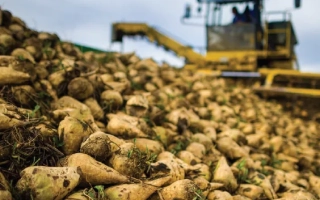
The hybrid features a mid-sized, cylindrical-conical root, a morphology highly prized for efficient mechanized harvesting and minimal handling losses. In terms of processing, «Tiza» consistently delivers sugar content in the 17-18% range, meeting the stringent requirements of modern sugar refineries. Due to the genetic stability inherited from Florimond-Desprez, the crop exhibits excellent storage quality, ensuring that the roots remain in prime condition from harvesting through to processing.
Crop & resistance
Crop
Disease resistance
Specifications hover over for a hint about the specification
| Direction Type | |
|---|---|
| Root vegetable; size | |
|
Root; shape
Root; shape
Roots can be round, elongated-round, cylindrical, conical. |
|
| Sugar Content | 17-18% |
| Registration year | 2012 |
| Catalog | Catalog → Sugar Beet |
| Manufacturer | SAS FLORIMOND-DESPREZ Veuve et Fils |
| Country | France |
Store offers
Prices are updated on loadLoading offers…
Aggregator catalog: prices are collected automatically from store websites, normalized by AI and converted at the current exchange rate. Before ordering, confirm the price and availability on the store's website. This block is not indexed by search engines — the data is loaded after the page opens.
Not yet комментариев. Be the first!
Alternatives
Sugar beet seeds · similar varieties





See also
Often considered together with this variety







Recently viewed
Products you’ve viewed on this site
Reviews · 0