

SKU #43657
·
53 views
Mosaik
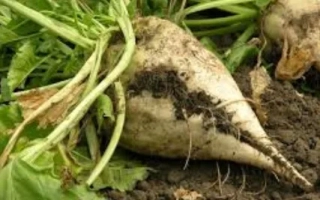
Sugar Beet
STRUBEUser rating
0 votes0% positive reviews
No ratings yet — be the first.
Direction Type
Normal-sugar type (NZ)
Ploidy Type
Triploid
Root vegetable; size
Medium
Sugar Content
18-19%
Store offers · 4 from 1 stores
Prices are updated on loadLoading offers…
Available at: Nex
Aggregator catalog: prices are collected automatically from store websites, normalized by AI and converted at the current exchange rate. Before ordering, confirm the price and availability on the store's website. This block is not indexed by search engines — the data is loaded after the page opens.
About product

A high-yielding triploid hybrid with integrated genetic defense against foliar and root pathogens.
Direction Type
Normal-sugar type (NZ)
Ploidy Type
Triploid
Root vegetable; size
Medium
Sugar Content
18-19%
Description
Genetic Architecture of Protection and Productivity
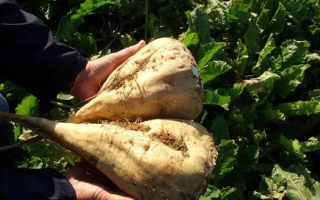
The 'Mozaik' sugar beet by German breeding company Strube is a triploid hybrid developed to meet the rigorous demands of intensive agriculture. The core technical objective of this hybrid is achieving a balance between high sucrose concentration and resistance to a broad spectrum of pathogens under changing climate conditions.
NZ-Type: Accumulation Physiology
Classified as a Normal-Sugar (NZ) type, 'Mozaik' reflects Strube's focus on stable yields combined with a sugar content of 18–19%. Unlike purely sugar-type varieties, NZ hybrids possess a more robust leaf canopy that maintains photosynthetic activity even under moderate environmental stress. This is critical for developing medium-sized roots, which facilitate higher-quality mechanical harvesting with minimal field losses.
Biological Shielding
The model's key feature is a multi-level protection system embedded through the original research by Johannes Dieckmann. Breeding was prioritized based on complex resistance vectors:
- Phytopathological Resilience: The hybrid shows distinct tolerance to a complex of root rots and damping-off (blackleg), significantly reducing the risk of seedling loss during early growth stages.
- Foliar Disease Management: Special emphasis is placed on resistance to Cercospora and powdery mildew. The dense leaf epidermis structure and genetic protection markers impede spore penetration, allowing agronomists to optimize fungicide application schedules.
- Viral Resistance: The focus on protection against viral mosaics minimizes the risk of leaf deformation and productivity drops in areas with high insect-vector pressure.
The triploid structure of the hybrid ensures high germination energy and uniform stand establishment. For the grower, this translates into a predictable start and consistent development, greatly simplifying field management planning and harvest operations.
Video · 1 video
Suggest a video →Crop & resistance
Crop
Disease resistance
Specifications
| Direction Type | |
|---|---|
| Ploidy Type | |
| Root vegetable; size | |
| Sugar Content | 18-19% |
| Registration year | 2007 |
| Catalog | Catalog → Sugar Beet |
| Manufacturer | STRUBE |
| Legal data |
Show · 1
|
| Country | Germany |
Not yet комментариев. Be the first!
Alternatives
Sugar beet seeds · similar varieties




See also
Often considered together with this variety






Recently viewed
Products you’ve viewed on this site
Reviews · 0