


SKU #60706
·
33 views
9YF 1588
Sugar Beet
PRODIMEX LLCUser rating
0 votes0% positive reviews
No ratings yet — be the first.
Direction Type
Normal-sugar type (NZ)
Ploidy Type
Diploid
Root vegetable; size
Medium
Root; shape
Narrow-conical
About product

A high-performance diploid NZ-type hybrid engineered for consistent sugar yields and efficient mechanical harvesting.
Direction Type
Normal-sugar type (NZ)
Ploidy Type
Diploid
Root vegetable; size
Medium
Root; shape
Narrow-conical
Description
Efficient crop management with 9 ЙФ 1588
For sugar beet producers, the «9 ЙФ 1588» hybrid from Prodimex offers a proven strategy for balancing yield and raw material quality. As an NZ (Normal-Sugar) type hybrid, it serves as a reliable choice for farmers aiming for consistent performance throughout the growing season.
Key Technical Specifications
The diploid nature of the 9 ЙФ 1588 hybrid ensures uniformity across the field, which is a decisive factor during harvesting operations. A consistent crop structure allows for smoother operation of harvesting machinery, reducing downtime and field losses.
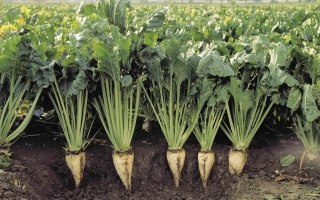
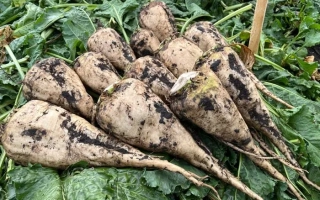
- Root Shape: The narrow-conical form is engineered to minimize soil intake during mechanical harvesting, resulting in cleaner roots delivered to the plant.
- Sugar Content: Maintains a robust range of 19–20%, meeting the industrial standards required by sugar refineries.
- Plant Density: A target density of 100,000–110,000 plants per hectare is recommended to maximize the yield potential while maintaining plant health.
Agronomic Application
In practice, the 9 ЙФ 1588 hybrid is favored for its ease of management. Developed by experts from Betasem, Prodimex, and Pz Nasha Rodina, it is well-adapted to varied regional climates. By choosing this hybrid, producers can rely on predictable crop architecture that facilitates efficient harvesting with standard equipment. Its medium-sized roots are optimized for modern harvesting headers, ensuring that machinery can operate at higher speeds while keeping crop damage to a minimum. This operational efficiency is essential for large-scale beet operations looking to reduce fuel costs and machine wear during the harvest window.
Crop & resistance
Crop
Specifications hover over for a hint about the specification
| Direction Type | |
|---|---|
| Ploidy Type | |
| Root vegetable; size | |
|
Root; shape
Root; shape
Roots can be round, elongated-round, cylindrical, conical. |
|
| Sugar Content | 19-20% |
|
Recommended Density
Recommended Density
Optimal productivity is achieved at a planting density of 4000-5500 plants/ha. Possible planting scheme: 300-500x40-80 cm. |
100-110 thous. pcs/ha |
| Registration year | 2021 |
| Catalog | Catalog → Sugar Beet |
| Manufacturer | PRODIMEX LLC |
| Legal data |
Show · 2
|
| Country | Russia |
Store offers
Prices are updated on loadLoading offers…
Aggregator catalog: prices are collected automatically from store websites, normalized by AI and converted at the current exchange rate. Before ordering, confirm the price and availability on the store's website. This block is not indexed by search engines — the data is loaded after the page opens.
Not yet комментариев. Be the first!
Alternatives
Sugar beet seeds · similar varieties



See also
Often considered together with this variety






Recently viewed
Products you’ve viewed on this site
Reviews · 0