


SKU #63621
·
62 views
Puma
Soybean
User rating
0 votes0% positive reviews
No ratings yet — be the first.
Growing Season
Up to 90 days
Plant; plant height
70-80cm
Seeds: oil content
22-23%
Seeds: protein content
39-41%, 41-43%
About product

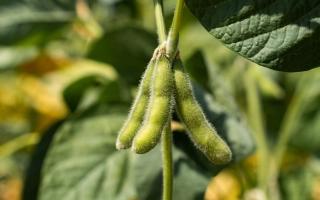
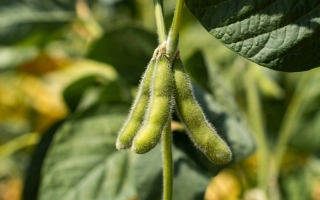
Soya variety Puma is an ultra-early determinate variety developed by individual selection from the F4 hybrid population Alba × Pripyat. Plants reach heights of 75-95 cm and possess high resistance to stress factors, including drought, lodging, and pod shattering. Thanks to these qualities, the variety is suitable for grain cultivation in main and repeated sowings, as well as in short-rotation crop…
Growing Season
Up to 90 days
Plant; plant height
70-80cm
Seeds: oil content
22-23%
Seeds: protein content
39-41%, 41-43%
Description
Soya variety Puma is an ultra-early determinate variety developed by individual selection from the F4 hybrid population Alba × Pripyat. Plants reach heights of 75-95 cm and possess high resistance to stress factors, including drought, lodging, and pod shattering. Thanks to these qualities, the variety is suitable for grain cultivation in main and repeated sowings, as well as in short-rotation crop rotations at latitudes from 43 to 52°.
Puma is distinguished by high resistance to diseases such as downy mildew, stem cancer, and powdery mildew, which ensures harvest stability. The potential yield of the variety reaches up to 36 c/ha, while the average yield in the Central Black Earth region is about 20.2 c/ha, and in the North Caucasus region - 16 c/ha. The mass of 1000 seeds varies from 148 to 154 g depending on the region.
The protein content in Puma variety seeds is high, reaching from 36.82% to 43%, while oil content is about 23%. These indicators make the variety attractive for the production of both grain and oilseed raw materials. Thanks to its adaptability and resistance to unfavorable conditions, the Puma variety is widely used in soy-growing enterprises of the Southern, Central Black Earth, and Volga Federal Districts.
Puma is distinguished by high resistance to diseases such as downy mildew, stem cancer, and powdery mildew, which ensures harvest stability. The potential yield of the variety reaches up to 36 c/ha, while the average yield in the Central Black Earth region is about 20.2 c/ha, and in the North Caucasus region - 16 c/ha. The mass of 1000 seeds varies from 148 to 154 g depending on the region.
The protein content in Puma variety seeds is high, reaching from 36.82% to 43%, while oil content is about 23%. These indicators make the variety attractive for the production of both grain and oilseed raw materials. Thanks to its adaptability and resistance to unfavorable conditions, the Puma variety is widely used in soy-growing enterprises of the Southern, Central Black Earth, and Volga Federal Districts.
Crop & resistance
Crop
Disease resistance
Specifications
Store offers
Prices are updated on loadLoading offers…
Aggregator catalog: prices are collected automatically from store websites, normalized by AI and converted at the current exchange rate. Before ordering, confirm the price and availability on the store's website. This block is not indexed by search engines — the data is loaded after the page opens.
Not yet комментариев. Be the first!
Alternatives
Soybean seeds · similar varieties



See also
Often considered together with this variety


Recently viewed
Products you’ve viewed on this site
Reviews · 0