


SKU #63582
·
47 views
SK ELANA
Soybean
LLC COMPANY 'SOEVY COMPLEX'User rating
0 votes0% positive reviews
No ratings yet — be the first.
Growing Season
90-100 days
Plant; plant height
60-70cm, 120-130cm
Seeds: oil content
21-22%, 22-23%
Seeds: protein content
35-37%, 39-41%
About product

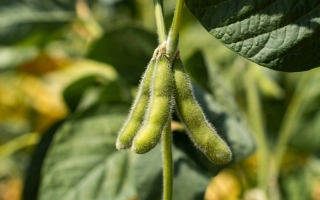
The SK ELANA soybean variety is a tall plant with a bright straw-colored hue at maturity, as reflected in its name, meaning "light" or "growing tree." This plastic and early-maturing variety belongs to Group 00 according to international classification, with a vegetative period ranging from 92 to 105 days depending on the growing region. Plants reach a height of 63 to 130 cm, have medium branching…
Growing Season
90-100 days
Plant; plant height
60-70cm, 120-130cm
Seeds: oil content
21-22%, 22-23%
Seeds: protein content
35-37%, 39-41%
Description
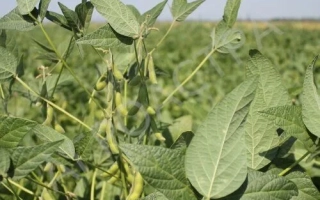
The SK ELANA soybean variety is a tall plant with a bright straw-colored hue at maturity, as reflected in its name, meaning "light" or "growing tree." This plastic and early-maturing variety belongs to Group 00 according to international classification, with a vegetative period ranging from 92 to 105 days depending on the growing region. Plants reach a height of 63 to 130 cm, have medium branching, and white flowers. Seeds are yellow with a yellow hilum; the mass of 1000 seeds varies from 124 to 162 g. SK ELANA was developed using traditional methods without the use of genetic modifications, making it a non-transgenic variety. The variety is recommended for growing in the Central Black Earth and North Caucasus regions, as well as southern regions of Russia, including the Oryol, Tambov, Voronezh, and Belgorod regions, and Krasnodar Krai. It is well-suited for repeated sowings and can be used as a good predecessor for winter cereal crops. The vegetative period and maturity dates depend on climatic conditions: in southern regions, maturity occurs in the second decade of August, while in the Central Black Earth region, it happens in the first decade of September. For full development, plants require a sum of effective air temperatures from 1800 to 2100 °C. The yield of the SK ELANA variety without irrigation reaches 2.3-2.6 t/ha, with irrigation - 3.2-3.5 t/ha, and in individual farms, figures up to 4.56 t/ha were recorded. Seeds contain a high protein level - from 33.2% to 40-41%, and oil - from 21.1% to 23.2%, making this variety valuable for the food and feed industries. Plants are resistant to false powdery mildew, ash rot, shattering, lodging, and drought, ensuring yield stability under various growing conditions.
Video · 2 videos
Suggest a video →Crop & resistance
Crop
Disease resistance
Specifications
| Growing Season | 90-100 days |
|---|---|
| Plant; plant height | 60-70cm, 120-130cm |
| Seeds: oil content | 21-22%, 22-23% |
| Seeds: protein content | 35-37%, 39-41% |
| Registration year | 2020 |
| Catalog | Catalog → Soybean |
| Manufacturer | LLC COMPANY 'SOEVY COMPLEX' |
| Country | Russia |
Store offers
Prices are updated on loadLoading offers…
Aggregator catalog: prices are collected automatically from store websites, normalized by AI and converted at the current exchange rate. Before ordering, confirm the price and availability on the store's website. This block is not indexed by search engines — the data is loaded after the page opens.
Not yet комментариев. Be the first!
Alternatives
Soybean seeds · similar varieties




See also
Often considered together with this variety


Recently viewed
Products you’ve viewed on this site
Reviews · 0