

SKU #63568
·
43 views
P 007 A 67
Soybean
PIONEER s.a.User rating
0 votes0% positive reviews
No ratings yet — be the first.
Growing Season
110-120 days
Seeds: oil content
19-20%
Seeds: protein content
35-37%, 37-39%, 39-41%, 41-43%
Registration year
2022
About product
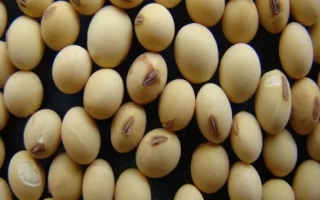
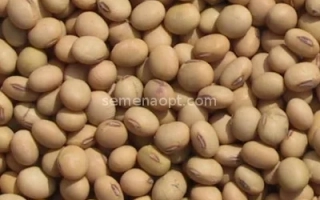
P 007 A 67 is an early-maturing soybean (Glycine max (L.) Merr.) variety with a growing period of about 110-111 days. Plants of this variety are indeterminate type, of medium or medium-high height, with violet flowers and a hypocotyl with anthocyanin coloring. Seeds of the variety differ in light-brown or yellow color with yellow or dark-brown hilum. The mass of 1000 seeds varies from 153 to 170 g…
Growing Season
110-120 days
Seeds: oil content
19-20%
Seeds: protein content
35-37%, 37-39%, 39-41%, 41-43%
Registration year
2022
Description
P 007 A 67 is an early-maturing soybean (Glycine max (L.) Merr.) variety with a growing period of about 110-111 days. Plants of this variety are indeterminate type, of medium or medium-high height, with violet flowers and a hypocotyl with anthocyanin coloring. Seeds of the variety differ in light-brown or yellow color with yellow or dark-brown hilum. The mass of 1000 seeds varies from 153 to 170 grams depending on the growing region. The variety is recommended for cultivation in the Central Black Earth and North Caucasus regions, including the Belgorod region.
The yield of the P 007 A 67 variety demonstrates good indicators: average yield in the Central Black Earth region reaches 27.6 centners/hectare, and the maximum yield in individual farms can reach 45.2 centners/hectare. In the North Caucasus region, the average yield is about 16.6 centners/hectare, with maximum values up to 32.8 centners/hectare. Protein content in seeds is high and ranges from 35.8% to 42.62%, making this variety attractive for the production of protein products. Fat content of seeds is in the range of 19.6-21.1%.
For successful cultivation of soybeans P 007 A 67, it is important to take into account the features of crop nutrition. At the initial stages of development, the plant actively uses nutrients accumulated in cotyledons, and the main consumption of macro- and micronutrients falls on the period from the beginning of flowering to the grain filling stage. During this period, soybeans need a sufficient amount of nitrogen, phosphorus, potassium, sulfur, calcium, and magnesium, which ensures full development and high yield.
The yield of the P 007 A 67 variety demonstrates good indicators: average yield in the Central Black Earth region reaches 27.6 centners/hectare, and the maximum yield in individual farms can reach 45.2 centners/hectare. In the North Caucasus region, the average yield is about 16.6 centners/hectare, with maximum values up to 32.8 centners/hectare. Protein content in seeds is high and ranges from 35.8% to 42.62%, making this variety attractive for the production of protein products. Fat content of seeds is in the range of 19.6-21.1%.
For successful cultivation of soybeans P 007 A 67, it is important to take into account the features of crop nutrition. At the initial stages of development, the plant actively uses nutrients accumulated in cotyledons, and the main consumption of macro- and micronutrients falls on the period from the beginning of flowering to the grain filling stage. During this period, soybeans need a sufficient amount of nitrogen, phosphorus, potassium, sulfur, calcium, and magnesium, which ensures full development and high yield.
Crop & resistance
Crop
Disease resistance
Specifications
| Growing Season | 110-120 days |
|---|---|
| Seeds: oil content | 19-20% |
| Seeds: protein content | 35-37%, 37-39%, 39-41%, 41-43% |
| Registration year | 2022 |
| Catalog | Catalog → Soybean |
| Manufacturer | PIONEER s.a. |
| Legal data |
Show · 1
|
| Country | USA |
Store offers
Prices are updated on loadLoading offers…
Aggregator catalog: prices are collected automatically from store websites, normalized by AI and converted at the current exchange rate. Before ordering, confirm the price and availability on the store's website. This block is not indexed by search engines — the data is loaded after the page opens.
Not yet комментариев. Be the first!
Alternatives
Soybean seeds · similar varieties



See also
Often considered together with this variety



Recently viewed
Products you’ve viewed on this site
Reviews · 0