


SKU #46594
·
59 views
Stepnyi 13
Sorghum
User rating
0 votes0% positive reviews
No ratings yet — be the first.
Direction
Grain, Silage
Vegetation Period
110-120 days
Grain; Color
Light Brown, Red
Grain; Protein Content
11-12%
Prices in stores
from10.61 €per 1 kg
pack from 10.61 € per 1 kg
1 offer from 1 store
Store offers · 1 from 1 stores
Prices are updated on loadLoading offers…
Available at: Instnasinnia
Aggregator catalog: prices are collected automatically from store websites, normalized by AI and converted at the current exchange rate. Before ordering, confirm the price and availability on the store's website. This block is not indexed by search engines — the data is loaded after the page opens.
About product

Sorghum Stepnyi 13 is a high-yielding hybrid of grain sorghum, intended for cultivation in steppe regions. This variety is characterized by early maturity and a medium vegetation period of 115 to 140 days, allowing it to be effectively utilized in various climatic conditions. Plants are low-growing, about 95 cm tall, with resistance to lodging, shattering, and major diseases, including the biotype…
Direction
Grain, Silage
Vegetation Period
110-120 days
Grain; Color
Light Brown, Red
Grain; Protein Content
11-12%
Description
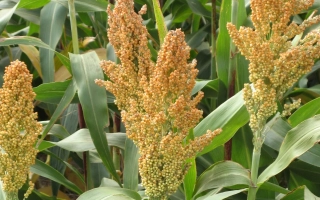
Sorghum Stepnyi 13 is a high-yielding hybrid of grain sorghum, intended for cultivation in steppe regions. This variety is characterized by early maturity and a medium vegetation period of 115 to 140 days, allowing it to be effectively utilized in various climatic conditions. Plants are low-growing, about 95 cm tall, with resistance to lodging, shattering, and major diseases, including the biotype "C" of aphids and sorghum midge. Seeds are light brown or red, naked, with a 1000-seed mass of 28-30 g and moisture content of about 15%. Stepnyi 13 is distinguished by high yield, reaching 3.2 t/ha, and drought resistance, making it a reliable choice for grain and silage crops. The grain contains significant amounts of nutrients: protein 13.4%, starch 76.7%, and lysine 3.3%, ensuring its value for feeding various animal species. The hybrid is stable in yield and well-adapted to various soil types and temperature regimes. Sorghum seeds of Stepnyi 13 undergo treatment to ensure high germination and disease resistance, contributing to successful cultivation and high-quality harvest. Recommended seeding density varies by region: 100,000 plants per hectare for Southern Steppe, and 120,000 plants per hectare for Northern Steppe. Due to its characteristics, this hybrid is widely used for producing feed, grit, flour, and starch, making it a versatile and in-demand agricultural product.
Crop & resistance
Crop
Pest resistance
Specifications hover over for a hint about the specification
|
Direction
Direction
Existing varieties and types of cabbage are grown for fresh consumption, long-term storage, and technical processing. |
|
|---|---|
| Vegetation Period | 110-120 days |
| Grain; Color | |
| Grain; Protein Content | 11-12% |
| Grain; Starch Content | 70-80% |
| Plant; height | 90-100cm |
| Registration year | 1995 |
| Catalog | Catalog → Sorghum |
| Legal data |
Show · 1
|
| Country | Ukraine |
Not yet комментариев. Be the first!
Alternatives
Sorghum seeds · similar varieties





See also
Often considered together with this variety



Recently viewed
Products you’ve viewed on this site
Reviews · 0