


SKU #46599
·
54 views
Sorghum KHARAM
Sorghum
Euralis SemencesUser rating
0 votes0% positive reviews
No ratings yet — be the first.
Direction
Hay, Silage
Vegetation Period
90-100 days
Grain; Color
Dark Brown
Plant; height
180-200cm
About product

A versatile French sorghum hybrid for high-quality silage and hay with a 90-100 day growth cycle.
Direction
Hay, Silage
Vegetation Period
90-100 days
Grain; Color
Dark Brown
Plant; height
180-200cm
Description
French Breeding for Efficient Livestock Farming
The sorghum hybrid "Haram" from Euralis Semences is the result of years of research by French breeders, led by Franck Chauveau. In an era of shifting climatic conditions and increasing demand for high-quality forage, this hybrid has established itself as a versatile solution for farms focused on intensive dairy and beef production.
Agronomic Profile
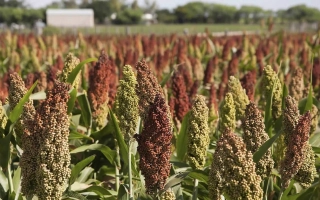
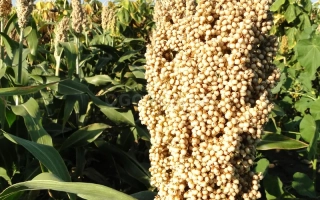
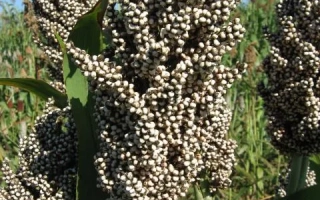
Sorghum "Haram" is a mid-early hybrid with a growth cycle ranging from 90 to 100 days. The plant height is typically between 180 and 200 cm, ensuring an optimal balance between total biomass and ease of harvesting. Its distinct dark-brown grain is a characteristic visual marker of this variety, confirming its genetic integrity.
Versatility in Application
The core value of "Haram" lies in its flexibility. Euralis breeding efforts were focused on creating a hybrid that performs equally well in two primary agricultural directions:
- Silage Potential: High yield of green mass allows for the production of nutrient-dense, high-energy silage.
- Forage Quality: The ability to harvest for hay provides livestock producers with the necessary flexibility in diet planning.
Thanks to its adaptability, "Haram" demonstrates stable yield performance both in southern regions and in temperate climates, where rapid maturity is critical to avoid early autumn frosts.
Why Farmers Choose Euralis
The reputation of the Euralis Semences brand is built on strict quality control of seed material. By choosing "Haram," producers receive a product that has undergone a full cycle of testing in European laboratories. It represents an investment in the stability of the feed base, where predictable vegetation and nutrient density play a decisive role in herd productivity.
Crop & resistance
Crop
Specifications hover over for a hint about the specification
|
Direction
Direction
Existing varieties and types of cabbage are grown for fresh consumption, long-term storage, and technical processing. |
|
|---|---|
| Vegetation Period | 90-100 days |
| Grain; Color | |
| Plant; height | 180-200cm |
| Registration year | 2021 |
| Catalog | Catalog → Sorghum |
| Manufacturer | Euralis Semences |
| Legal data |
Show · 1
|
| Country | France |
Store offers
Prices are updated on loadLoading offers…
Aggregator catalog: prices are collected automatically from store websites, normalized by AI and converted at the current exchange rate. Before ordering, confirm the price and availability on the store's website. This block is not indexed by search engines — the data is loaded after the page opens.
Not yet комментариев. Be the first!
Alternatives
Sorghum seeds · similar varieties



See also
Often considered together with this variety




Recently viewed
Products you’ve viewed on this site
Reviews · 0