


SKU #46614
·
51 views
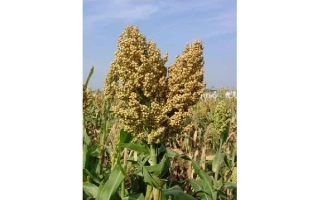
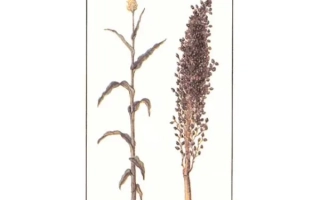
Chornomorka
Sorghum
User rating
0 votes0% positive reviews
No ratings yet — be the first.
Direction
Grain, Hay
Registration year
1951
Store offers · 1 from 1 stores
Prices are updated on loadLoading offers…
Available at: Шемріт
Aggregator catalog: prices are collected automatically from store websites, normalized by AI and converted at the current exchange rate. Before ordering, confirm the price and availability on the store's website. This block is not indexed by search engines — the data is loaded after the page opens.
About product

A versatile dual-purpose sorghum variety offering exceptional drought resistance and consistent harvest performance.
Direction
Grain, Hay
Registration year
1951
Description
A Reliable Dual-Purpose Solution
The 'Chornomorka' sorghum variety, developed by the Breeding and Genetics Institute, is designed for farmers who prioritize consistency and operational efficiency. It is a workhorse crop that performs reliably across various climatic zones, making management predictable and straightforward.
Field Performance and Operations
The main advantage of 'Chornomorka' is its versatility: it is bred for both grain and hay production. This provides owners with the flexibility to adapt to seasonal needs or market fluctuations. In the field, the variety demonstrates excellent uniformity during ripening. For the machine operator, this means simplified combine settings, reduced grain loss, and predictable fuel consumption patterns throughout the harvest cycle.
Technical Reliability
- Drought Tolerance: Proven resilience in arid conditions, essential for maintaining yield stability in southern regions.
- Standability: High resistance to lodging ensures easy navigation for machinery and cleaner harvest operations.
- Economic Efficiency: Low input requirements for plant protection products help optimize the cost per hectare, maximizing return on investment.
If your goal is to secure high-quality forage or grain with minimal operational risks, 'Chornomorka' offers the technical performance required for a successful and stress-free harvest season.
Crop & resistance
Crop
Specifications hover over for a hint about the specification
|
Direction
Direction
Existing varieties and types of cabbage are grown for fresh consumption, long-term storage, and technical processing. |
|
|---|---|
| Registration year | 1951 |
| Catalog | Catalog → Sorghum |
| Legal data |
Show · 1
|
| Country | Ukraine |
Not yet комментариев. Be the first!
Alternatives
Sorghum seeds · similar varieties





See also
Often considered together with this variety




Recently viewed
Products you’ve viewed on this site
Reviews · 0