


SKU #46604
·
55 views
Muraška
Sorghum
User rating
0 votes0% positive reviews
No ratings yet — be the first.
Direction
Silage
Vegetation Period
120-130 days
Registration year
2020
Prices in stores
from6.8 €per 1 kg
pack from 0.68 € per 100 g
1 offer from 1 store
Store offers · 1 from 1 stores
Prices are updated on loadLoading offers…
Available at: Цибулинка
Aggregator catalog: prices are collected automatically from store websites, normalized by AI and converted at the current exchange rate. Before ordering, confirm the price and availability on the store's website. This block is not indexed by search engines — the data is loaded after the page opens.
About product

A high-digestibility silage hybrid built for consistent biomass yield in challenging climates.
Direction
Silage
Vegetation Period
120-130 days
Registration year
2020
Description
Technical Profile of the "Murashka" Sorghum Hybrid
"Murashka" is a specialized silage-oriented sorghum hybrid developed by the National Academy of Agrarian Sciences (Institute of Grain Crops). This product offers a targeted breeding solution for farms where the stability of the fodder base under variable moisture conditions is a priority. The hybrid is engineered for physiological adaptation to the climate stressors typical of Ukrainian agricultural zones.
Agronomic Performance Metrics
- Vegetation Period: 120–130 days. This mid-to-late maturity segment allows the plant to accumulate maximum biomass before the grain reaches physiological maturity.
- Target Use: Silage. The hybrid is designed to achieve an optimal leaf-to-stem-to-grain ratio, which significantly increases the energy value of the resulting silage.
- Morphological Resilience: The stalk structure provides high lodging resistance, ensuring that the plant remains upright even during intense growth phases or windy conditions.
The core advantage of "Murashka" lies in the balance between early-stage vigor and the maintenance of photosynthetic activity during the grain filling phase. Unlike many grain sorghum varieties, this hybrid features high panicle grain content, which directly correlates to higher starch concentrations in the silage. For the agronomist, this translates into feed with a higher digestibility index—a critical factor for dairy farming. Its high tolerance to common sorghum pathogens reduces the requirement for intensive fungicide applications, simplifying field operations. The adoption of this hybrid is justified in crop rotations where a reliable "insurance" crop is needed to provide consistent tonnage during dry seasons.
Crop & resistance
Crop
Specifications hover over for a hint about the specification
|
Direction
Direction
Existing varieties and types of cabbage are grown for fresh consumption, long-term storage, and technical processing. |
|
|---|---|
| Vegetation Period | 120-130 days |
| Registration year | 2020 |
| Catalog | Catalog → Sorghum |
| Legal data |
Show · 1
|
| Country | Ukraine |
Not yet комментариев. Be the first!
Alternatives
Sorghum seeds · similar varieties


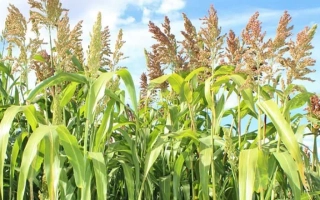
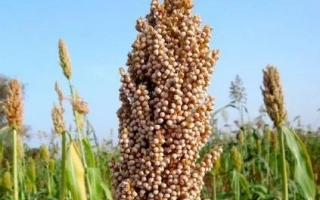

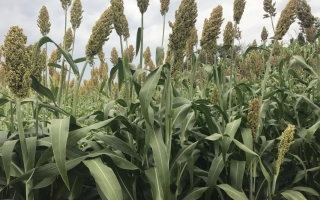


See also
Often considered together with this variety

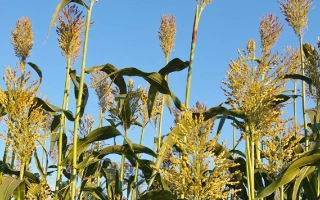



Recently viewed
Products you’ve viewed on this site
Reviews · 0