


SKU #66327
·
33 views
Start
Sorghum
Rossorgo Research InstituteUser rating
0 votes0% positive reviews
No ratings yet — be the first.
Direction
Grain, Silage
Vegetation Period
110-120 days
Grain; Color
White, Red
Grain; Protein Content
11-12%
About product

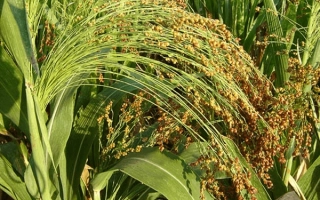
Sorghum variety START is a high-yield crop from the grass family, suitable for growing both for grain and silage. The plant is characterized by a powerful root system reaching up to three meters in depth, providing high drought resistance and the ability to effectively utilize rain moisture. Plant height varies from 60 to 200 cm, and the vegetative period is from 115 to 140 days, allowing the crop…
Direction
Grain, Silage
Vegetation Period
110-120 days
Grain; Color
White, Red
Grain; Protein Content
11-12%
Description
Sorghum variety START is a high-yield crop from the grass family, suitable for growing both for grain and silage. The plant is characterized by a powerful root system reaching up to three meters in depth, providing high drought resistance and the ability to effectively utilize rain moisture. Plant height varies from 60 to 200 cm, and the vegetative period is from 115 to 140 days, allowing the crop to adapt to various climatic conditions and soil types. Sorghum seeds have an oval shape and can be red or white in color, with a mass of 1000 grains around 28-30 grams.
START differs in high yield and versatility of application. The grain does not contain tannin, making it suitable for producing premium alcohol, flour, and animal feed. Potential grain yield reaches 10-12 tons per hectare, and silage yields up to 900 centners per hectare. The crop has good resistance to fungal diseases and viruses, and is capable of growing successfully on low-fertility soils and under conditions of increased lodging risk. Due to its nutritional properties, sorghum is a valuable feed for agricultural livestock, providing high protein content (around 11%), fats (up to 4.5%), and carbohydrates (79%), as well as a rich complex of vitamins and trace elements.
Sorghum variety START prefers a warm climate with an optimal growth temperature from +30 to +35 degrees Celsius and a minimum germination temperature of +12 degrees. The plant is sensitive to frost and can die at temperatures below -1 degree. Despite this, the crop withstands soil salinity well and responds to irrigation with increased yield. During the initial period of vegetation, sorghum growth is slowed, which contributes to weed suppression. Thanks to these characteristics, sorghum START is a reliable and effective choice for agrarians seeking quality feed and grain under various growing conditions.
START differs in high yield and versatility of application. The grain does not contain tannin, making it suitable for producing premium alcohol, flour, and animal feed. Potential grain yield reaches 10-12 tons per hectare, and silage yields up to 900 centners per hectare. The crop has good resistance to fungal diseases and viruses, and is capable of growing successfully on low-fertility soils and under conditions of increased lodging risk. Due to its nutritional properties, sorghum is a valuable feed for agricultural livestock, providing high protein content (around 11%), fats (up to 4.5%), and carbohydrates (79%), as well as a rich complex of vitamins and trace elements.
Sorghum variety START prefers a warm climate with an optimal growth temperature from +30 to +35 degrees Celsius and a minimum germination temperature of +12 degrees. The plant is sensitive to frost and can die at temperatures below -1 degree. Despite this, the crop withstands soil salinity well and responds to irrigation with increased yield. During the initial period of vegetation, sorghum growth is slowed, which contributes to weed suppression. Thanks to these characteristics, sorghum START is a reliable and effective choice for agrarians seeking quality feed and grain under various growing conditions.
Crop & resistance
Crop
Specifications hover over for a hint about the specification
|
Direction
Direction
Existing varieties and types of cabbage are grown for fresh consumption, long-term storage, and technical processing. |
|
|---|---|
| Vegetation Period | 110-120 days |
| Grain; Color | |
| Grain; Protein Content | 11-12% |
| Grain; Tannin Content | |
| Plant; height | 70-90cm, 180-200cm |
| Registration year | 2004 |
| Catalog | Catalog → Sorghum |
| Manufacturer | Rossorgo Research Institute |
| Legal data |
Show · 9
|
| Country | Russia |
Store offers
Prices are updated on loadLoading offers…
Aggregator catalog: prices are collected automatically from store websites, normalized by AI and converted at the current exchange rate. Before ordering, confirm the price and availability on the store's website. This block is not indexed by search engines — the data is loaded after the page opens.
Not yet комментариев. Be the first!
Alternatives
Sorghum seeds · similar varieties




See also
Often considered together with this variety



Recently viewed
Products you’ve viewed on this site
Reviews · 0