

SKU #66333
·
33 views
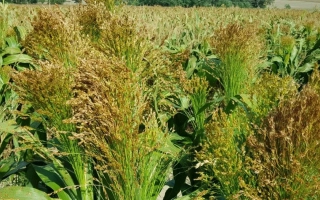
Sorghum KAMYSHINSKOE 7
Sorghum
Prices in stores
No offers yet — stores have not added prices for this product yet.
Similar varieties with prices
-
Sugarcane 1
from 180 €
-
 Silosne 42
from 6.79 €per 1 kg
Silosne 42
from 6.79 €per 1 kg
-
 CactusSyngenta
from 39.54 €per 1 kg
CactusSyngenta
from 39.54 €per 1 kg
-
 KatoPeter Bohdan Chykaliuk
from 13 €
KatoPeter Bohdan Chykaliuk
from 13 €
Direction
Grain, Hay, Silage
Grain: Protein Content
11-12%
Grain: Starch Content
60-70%
Registration year
1977
Your mark
0 votes
0% positive ratings
About product
A versatile sorghum variety with high starch content and natural resistance to head smut.
Description
Versatile Sorghum for Profitable Farming
Kamyshinskoye 7 is designed for agronomists who prioritize both yield and versatility. It is a multi-purpose crop that performs equally well whether you are harvesting for grain, silage, or hay, providing a safety net in unpredictable agricultural cycles.
Field Performance and Resilience
One of the biggest operational risks with sorghum is fungal infection. Kamyshinskoye 7 addresses this by providing robust resistance to head smut. Developed with the involvement of leading agricultural research centers, this variety is highly predictable. It minimizes the need for excessive fungicide applications, directly lowering your cost per ton of output.
Nutritional and Economic Value
When incorporating this variety into livestock feed or feed production, you get consistent laboratory results:
- Crude protein: 11-12%, ideal for balanced cattle rations.
- Starch content: 60-70%, offering a high energy density.
Operationally, this variety is undemanding. It is compatible with standard harvesting equipment, and the grain stores well under conventional moisture control. It is a reliable "workhorse" that delivers consistent yields even under standard field management conditions, making it an excellent choice for optimizing your crop rotation.
Crop & resistance
Crop
Disease resistance
Specifications
| Direction | |
|---|---|
| Grain | |
| Protein Content | 11-12% |
| Starch Content | 60-70% |
| Registration year | 1977 |
| Catalog | Catalog → Sorghum |
| Legal data | |
| Country | Russia |
No reviews yet. Be the first to share your experience.
Alternatives
Sorghum seeds · similar varieties


See also
Often considered together with this variety


Recently viewed
Products you’ve viewed on this site
Reviews