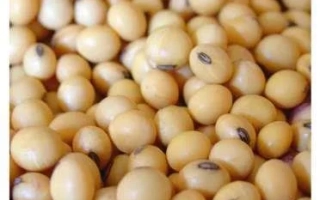
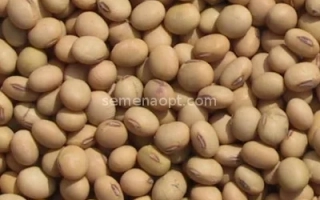
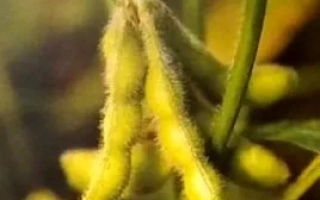
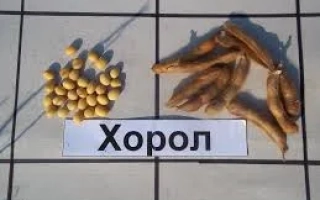
Soybean variety Usty is a grain type with high yield potential and resistance to various stress factors. Plants reach a height of 70-75 cm, have a straight brown stem with reddish hairs, and also trifoliate broadly egg-shaped leaves with a sharp tip. Inflorescences consist of racemes with 9-14 purple flowers, and pods are covered with hairs, have a fibrous structure, contain 2-3 oval yellow seeds with a brown oval hilum. The 1000-seed mass is 155-160 g.
Variety Usty is characterized by high adaptability to adverse conditions, including drought resistance and resistance to low temperatures during flowering and pod formation. It shows high tolerance to bacterial, fungal, and viral diseases, as well as pest damage. Additionally, the seeds are resistant to the herbicide Roundup, which facilitates weed control. Soybean Usty is ultraprecocious, with a vegetative period of 85-90 days, not prone to lodging and pod cracking.
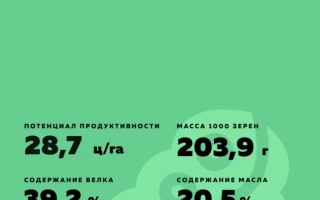
Recommended for cultivation in the forest-steppe zone, where the variety is successfully used as a predecessor for winter crops. The optimal plant density at harvest is 700-750 thousand per hectare, and the sowing rate is 110-130 kg/ha. Sowing methods include wide-row (45 cm) and broadcast. The yield of the variety reaches 30-35 centners/ha, and the crude protein content in the seeds is 41-42%, oil content — 19-20%. Soybean Usty was included in the register since 2002 and is the originator of the National Scientific Center "Institute of Agronomy" of the National Academy of Agrarian Sciences of Ukraine.