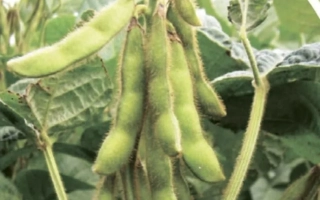
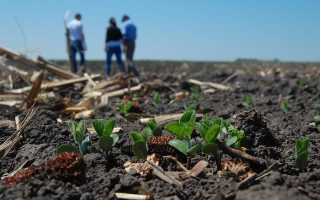
LISABON soybean variety is an early-maturing grain type, recommended for cultivation in various climatic zones, including Polissia, forest-steppe, and steppe. Plants reach a height of 70-80 cm, with a vegetation period of 90 to 110 days, ensuring early maturity. The recommended seeding rate at harvest is 500-550 thousand plants per hectare, with row spacing ranging from 25 to 45 cm. The variety is characterized by high stability and genetic purity, which contributes to obtaining high-quality, uniform yields.
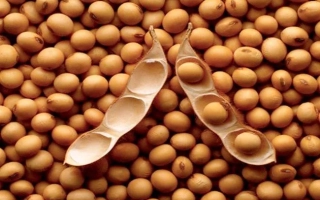
LISSABON is characterized by high protein content in the grain — from 39 to 41.3%, as well as medium to high oil content, reaching 20-24.5%. The 1000-seed mass varies from 145 to 190 grams, indicating large and dense grains. The height of the lower pod attachment is 12-15 cm, which facilitates harvesting and reduces losses. The variety exhibits good resistance to cracking, lodging, and shattering, enhancing yield quality and preservation.
Special attention is given to the variety's resistance to diseases and stress factors. LISSABON demonstrates high resistance to bacterial diseases and viral infections, good resistance to downy mildew and sclerotinia, as well as drought tolerance. These qualities make it a reliable choice for cultivation under various conditions and contribute to stable high yields, reaching up to 38 centners per hectare. Due to its characteristics, the LISSABON variety is widely used in the food industry and is promising for producing high-quality soybean grain.