


Prices in stores
No offers yet — stores have not added prices for this product yet.
Similar varieties with prices
-
PanoramaSevita Genetics
from 484.13 €
-
 ElinaSevita Genetics
from 1.2 €per 1 kg
ElinaSevita Genetics
from 1.2 €per 1 kg
-
 Krasunya
from 0.46 €per 1 kg
Krasunya
from 0.46 €per 1 kg
-
 VidraSTRUBE
from 1.09 €per 1 kg
VidraSTRUBE
from 1.09 €per 1 kg
Growing Season
100-110 days
Plant: plant height
90-100cm
Seeds: oil content
19-20%
Seeds: protein content
41-43%
Your mark
0 votes
0% positive ratings
Description
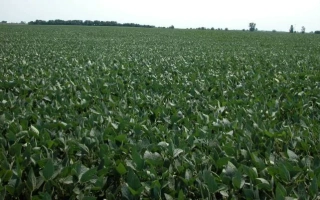
Niagara soybean variety is a high-yielding and resilient variety, resistant to various adverse factors, intended for cultivation in steppe, forest-steppe, and forested areas. The vegetation period lasts 105-107 days, enabling a stable harvest at optimal times. Plants have a medium height of about 90 cm and a sturdy medium-sized stem, contributing to resistance against lodging and mechanical damage.
The variety exhibits high resistance to diseases such as phytophthora and sclerotinia, as well as drought and pod cracking. Flowers are purple, with light brown pubescence and a light yellow hilum. The 1000-seed weight is approximately 220 grams, indicating good seed quality. The recommended planting rate ranges from 550 to 650 thousand seeds per hectare, and row spacing may vary from 15 to 35 cm.
Niagara soybean is characterized by high protein content — up to 42%, and oil content — around 19%, making it attractive for use in food and feed industries. Due to its adaptability to various soil types and agroclimatic conditions, this variety is a reliable choice for farmers aiming to achieve high-quality and stable soybean yields.
The variety exhibits high resistance to diseases such as phytophthora and sclerotinia, as well as drought and pod cracking. Flowers are purple, with light brown pubescence and a light yellow hilum. The 1000-seed weight is approximately 220 grams, indicating good seed quality. The recommended planting rate ranges from 550 to 650 thousand seeds per hectare, and row spacing may vary from 15 to 35 cm.
Niagara soybean is characterized by high protein content — up to 42%, and oil content — around 19%, making it attractive for use in food and feed industries. Due to its adaptability to various soil types and agroclimatic conditions, this variety is a reliable choice for farmers aiming to achieve high-quality and stable soybean yields.
Crop & resistance
Crop
Disease resistance
Specifications
| Growing Season | 100-110 days |
|---|---|
| Plant: plant height | 90-100cm |
| Seeds: oil content | 19-20% |
| Seeds: protein content | 41-43% |
| Registration year | 2017 |
| Catalog | Catalog → Soybean |
| Manufacturer | Sevita Genetics |
| Legal data |
Show · 4
|
No reviews yet. Be the first to share your experience.
Alternatives
Soybean seeds · similar varieties


See also
Often considered together with this variety


Recently viewed
Products you’ve viewed on this site
Reviews