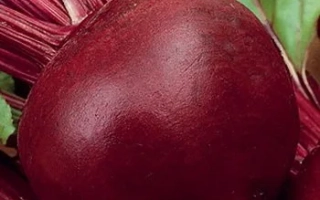
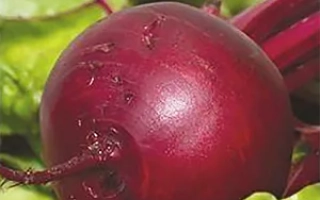
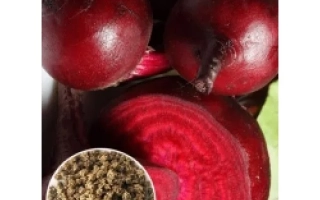
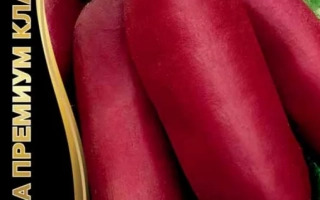
RGMS 69 is a sugar beet hybrid (Beta vulgaris L. ssp. vulgaris var. saccharifera Alef.) belonging to the high-yielding and high-sucrose mid-maturing plant category. It is a single-seed diploid hybrid on a sterile N-type base, developed and registered by FGBNU "All-Russian Sugar Beet and Sugar Institute named after A.L. Mazlumov". The hybrid is included in the State Register for several regions, including the Central Black Earth, Middle Volga, and North Caucasus regions, demonstrating its adaptability and wide application in various climatic conditions.
RGMS 69 is distinguished by its high yield and sugar content. In the Central Black Earth region, the average root yield is about 384 c/ha with 16% sugar content, ensuring sugar collection at the level of 61.9 c/ha. In the Voronezh region, the hybrid exceeded standard indicators for yield, sugar content, and sugar collection, reaching 450.2 c/ha, 16.4%, and 74.4 c/ha, respectively. In the Middle Volga region, the yield is 361.8 c/ha with 17.8% sugar content, while sugar collection reaches 64.3 c/ha. In the North Caucasus region, yield indicators are even higher — 570 c/ha, with 16.4% sugar content, and sugar collection reaching 92.9 c/ha. Root mass varies from 530 g to 627.2 g depending on the region.
The hybrid possesses good disease resistance: it is weakly affected by root eelworm, moderately by cercosporosis, and above average by powdery mildew. Weak cercosporosis is noted in various regions, which increases growing reliability and reduces yield losses. Thanks to its high agronomic characteristics and disease resistance, RGMS 69 is a promising choice for sugar beet producers focused on obtaining high yields and quality raw materials for sugar production.