


SKU #66656
·
44 views
CHOLBON
Rye
User rating
0 votes0% positive reviews
No ratings yet — be the first.
Type
Winter barley
Registration year
2019
About product

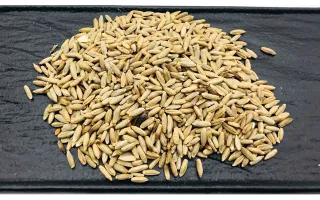
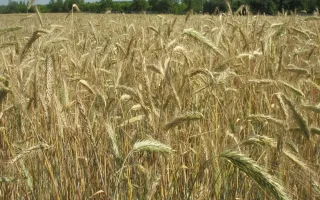
Cholbon is a winter rye (Secale cereale L.) variety developed by scientists from Yakutia, designed for cultivation in harsh climatic conditions, including the tundra and regions prone to severe droughts. This diploid mid-late maturity variety is distinguished by its high winter hardiness and drought resistance, making it a reliable choice for agriculturalists working in challenging natural environ…
Type
Winter barley
Registration year
2019
Description
Cholbon is a winter rye (Secale cereale L.) variety developed by scientists from Yakutia, designed for cultivation in harsh climatic conditions, including the tundra and regions prone to severe droughts. This diploid mid-late maturity variety is distinguished by its high winter hardiness and drought resistance, making it a reliable choice for agriculturalists working in challenging natural environments. The plants are of medium height, ranging from 93 to 126 cm, with a 1000-kernel weight between 19-27 g. The grain is small with a dark aleurone layer coloration, which affects baking qualities rated as satisfactory. The Cholbon variety demonstrates high resistance to lodging, surpassing varieties Mininskaya and Yeniseyka in this aspect. Average yield in the Eastern Siberian region is approximately 20.5 centners per hectare, with maximum yields reaching up to 56.5 centners per hectare. Despite susceptibility to brown rust, root rot, and septoria, the variety maintains stability and productivity under unfavorable conditions. This makes it promising for use in fodder crop rotations, where rye ensures a guaranteed yield of green mass even in dry years. Practical research conducted at the Nemiyug agricultural firm on irrigated plots confirmed the high productivity of the Cholbon variety within a five-field fodder crop rotation including oat, vetch-oat mixture, sorghum, and alfalfa. The use of mineral fertilizers (NPK) significantly increases yield and fodder base quality. Thus, Cholbon is a strategic fodder crop capable of effectively utilizing the region's agro-climatic resources and ensuring stable production of green mass for livestock.
Crop & resistance
Crop
Disease resistance
Specifications hover over for a hint about the specification
|
Type
Type
Galia (Galia) type — relatively new, of Israeli origin, although there are indications that this variety may originate from Spain. The fruits of this type are round or oval, weighing about 1 kg. The surface is smooth, covered with a delicate, connected netting, turning yellow whe... |
|
|---|---|
| Registration year | 2019 |
| Catalog | Catalog → Rye |
| Legal data |
Show · 7
|
| Country | Russia |
Store offers
Prices are updated on loadLoading offers…
Available at: Свое Фермерство
Aggregator catalog: prices are collected automatically from store websites, normalized by AI and converted at the current exchange rate. Before ordering, confirm the price and availability on the store's website. This block is not indexed by search engines — the data is loaded after the page opens.
Not yet комментариев. Be the first!




See also
Often considered together with this variety




Recently viewed
Products you’ve viewed on this site
Reviews · 0