


SKU #67551
·
36 views
Raspberry RUBIN NECKLACE RASPBERRY
Raspberry
Ripening Period
Everbearing
Berry Color
Red
Berry Shape
Elongated
Berry weight (g)
5-7
Your mark
0 votes
0% positive ratings
Store offers · 2 from 2 stores
2 offers in 2 stores — from 1.23 € per seedling.
Available at: Agrostore · Golden Garden
Prices are collected automatically from store websites and converted at the current exchange rate. Check the price and availability on the store website before ordering.
Description
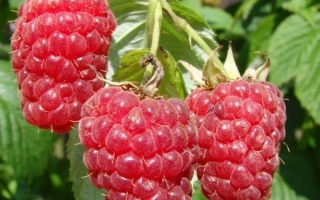
The 'Rubin Necklace' raspberry variety is a remontant variety of domestic selection with a medium maturation period. Bushes of this variety are medium-sized and compact, reaching heights from 1.2 to 1.6 meters, weakly thorny and sprawling. During the growing season, from 4 to 6 new shoots are formed, and fruiting occurs mainly on young one-year-old shoots. Stems are arched with thin thorns that do not hinder harvest collection. The variety prefers well-lit areas and grows reluctantly on poor soils, requiring regular irrigation during the summer. For winter preparation, shoots are recommended to be shortened, leaving two nodes. 'Rubin Necklace' berries are large, weighing from 4 to 8.6 grams, elongated-cylindrical in shape with a bright ruby-red color. Fruits are of medium density, easily separate from the stalk, have a sweet-and-sour taste and aroma. Sugar content is about 5.7%, acids — 1.1%, and vitamin C — 35.5 mg per 100 grams. Berries are suitable for fresh consumption, thermal processing, and freezing. Yields are high — from one bush, you can collect from 2.3 to 5 kilograms of berries, and from a hectare, 15–17 tons. Fruit-bearing is prolonged, with two waves — from early August and from mid-October, while up to 80–90% of the crop ripens before autumn frosts. The variety has medium drought and heat resistance, as well as good winter hardiness, allowing it to survive without shelter in a temperate climate. Resistance to diseases and pests is at the level of standard raspberry varieties. For disease prevention, early spring treatment of the raspberry with insecticides and fungicides is recommended, and if necessary, a repeat autumn treatment after harvest. Cultivation technology involves mowing shoots in autumn to maintain plant health and increase yield.
Video · 8 videos
Suggest a video →Specifications
| Ripening Period | Everbearing |
|---|---|
| Berry Color | |
| Berry Shape | |
| Berry weight (g) | 5-7 |
| Flavor | |
| Yield (kg/plant) | 2-3, 4-6 |
| Thorniness of shoots | |
| Cold Resistance | |
| Suitable for processing | Yes |
| Suitable for freezing | Yes |
| Fruiting | |
| Registration year | 2008 |
| Catalog | Catalog → Raspberry |
| Legal data |
Show · 7
|
| Country | Russia |
No reviews yet. Be the first to share your experience.
Alternatives
Raspberry saplings · similar varieties






See also
Often considered together with this variety




Recently viewed
Products you’ve viewed on this site
Reviews