


SKU #4113
·
339 views
Quince Early Oil Plum
Quince
Prices in stores
No offers yet — stores have not added prices for this product yet.
Similar varieties with prices
All offers: Quince
Purpose
Processing
Type of Variety
Variety
Usage Group
Wine
Fruit Color
Yellow
Your mark
0 votes
0% positive ratings
Description
Local lower Volga variety.
Trees are tall, bushy, multi-stemmed, densely foliated, with oval-shaped crowns.
Shoots are curved, olive-yellow, medium-sized, weakly hairy. Buds are small, broad-conical, heavily hairy, tightly pressed. Leaves are medium-sized, round-oval, wrinkled, entire-edged. Bracts are medium-sized, lanceolate, finely toothed, with a small amount of glands along the edges and underside.
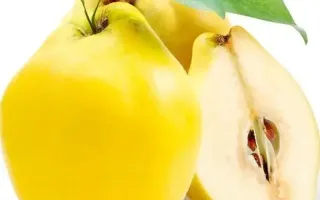
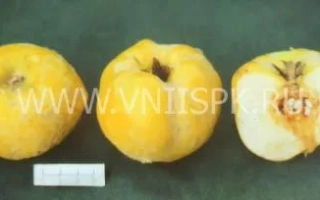
Fruits are small, slightly flattened, apple-shaped, slightly ribbed, oily to the touch. Main color is golden-yellow or bright yellow.
Flesh is dense, juicy, sour, astringent, with many stone cells, strong pleasant aroma. Chemical composition of fruits: average dry matter content 20.3%, (max 22.2%), total sugars — 8.2% (8.9%), titratable acids — 1.1% (1.61%) on fresh weight, sugar-to-acid ratio — 8.4 (12.0), ascorbic acid — 15.2 mg/100g (24.1).
Fruits can be stored for 45 to 60 days, intended for processing; seeds are used to grow excellent winter-hardy rootstocks for large-fruited quince varieties.
Annual, abundant yield. Variety is winter-hardy and drought-resistant.
Advantages of the variety: high yield, resistance to diseases, pests, and extreme environmental conditions.
Disadvantages of the variety: tall tree, small fruits of mediocre taste.
Crop & resistance
Crop
Specifications
| Purpose | |
|---|---|
| Type of Variety | |
| Usage Group | |
| Fruit Color | |
| Flesh Consistency | |
| Height and shape of the tree | |
| Disease Resistance | |
| Frost Resistance | |
| Keeping quality | |
| Features | |
| Catalog | Catalog → Quince |
No reviews yet. Be the first to share your experience.




See also
Often considered together with this variety




Recently viewed
Products you’ve viewed on this site
Reviews