


SKU #4134
·
561 views
Peach Stavropol Red
Peach
Prices in stores
from7.05 €per seedling
pack from 3.67 € per pack
9 offers from 4 stores
Flavor of the fruit
Sweet and sour
Flesh
Juicy
Pit
Partially separated
Fruit Shape
Round
Your mark
1 vote
100% positive ratings
Store offers · 9 from 4 stores
9 offers in 4 stores — from 7.05 € per seedling.
Available at: biolocus-plant-pro · Крымский Фрукт · Agromir · Sadovaya Kollektsiya
Prices are collected automatically from store websites and converted at the current exchange rate. Check the price and availability on the store website before ordering.
Description
Obtained at the Stavropol Experimental Orchard Station from the crossing of Elberta and Greensboro varieties by A.I. Seredenko. Approved since 1964 in the Central and Pre-Caucasian orchard zones of the Stavropol region.
Medium-sized tree with a spreading, sparse crown. Leaves are large, lance-shaped, light green, with a serrated edge. Flowers are rose-colored, medium-sized, pale pink.
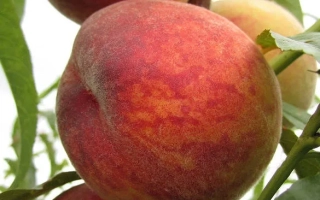
Fruits are medium-large (110-140 g), round, slightly flattened on the sides. The ventral suture is clearly expressed as a shallow, wide groove. The pit is medium in depth and width. The skin is medium thickness, separates from the flesh, light-yellow with a pink blush covering half the fruit surface. Pubescence is weak, velvety. Flesh is slightly fibrous, white, juicy, tender, slightly acidic-sweet, good flavor. Pit is small, egg-shaped, semi-detachable.
Blooms at medium season, self-fertile. High-yielding and early-bearing. Begins fruiting in the third year after planting in the orchard. Full fruiting occurs by the 5th-6th year. Yield at 6-7 years of age is 35-40 kg per tree. Fruits ripen in the third decade of August, uniform, versatile use, good transportability. Fresh fruit taste rating is 4.3, in compotes — 4.4.
Good winter hardiness of flower buds and trees; moderate drought tolerance. The variety is relatively resistant to leaf curl, clasterosporiosis, and powdery mildew. Prefers warm, well-ventilated slopes, with fertile, light, slightly carbonated, moisture-retentive soils.
Advantages: valued for early bearing, high yield, good fruit quality for versatile use, medium-sized trees, and relative disease resistance.
Disadvantages: high fruit set, requires regular thinning. Fruit drop is observed in dry years.
Crop & resistance
Crop
Disease resistance
Specifications
| Flavor of the fruit | |
|---|---|
| Flesh | |
| Pit | |
| Fruit Shape | |
| Fruit Color | |
| Fruit Weight | 110-140 |
| Tree Growth Type | |
| Yield (kg/tree) | 35-40 |
| Drought Tolerance | |
| Fruiting (year after planting) | 3 |
| Features | |
| Catalog | Catalog → Peach |
No reviews yet. Be the first to share your experience.
Alternatives
Peach saplings · similar varieties




See also
Often considered together with this variety




Recently viewed
Products you’ve viewed on this site
Reviews