


SKU #4114
·
891 views
Moscow Sushova
Quince
User rating
6 votes83% positive reviews
No ratings yet — be the first.
Assignment
Recycling
Type of Sort
Sort
Flavor
Sour-sweet
Fetal Size
4-5
Store offers · 2 from 2 stores
Prices are updated on loadLoading offers…
Available at: Лучший Сад · Agromir
Aggregator catalog: prices are collected automatically from store websites, normalized by AI and converted at the current exchange rate. Before ordering, confirm the price and availability on the store's website. This block is not indexed by search engines — the data is loaded after the page opens.
About product

Origin unknown. Variety selected in Moscow in 1998. Approved for the Central region.
Medium-sized tree or shrub.
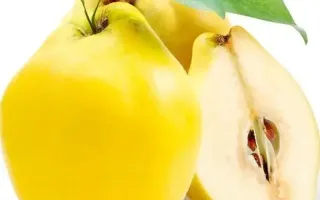
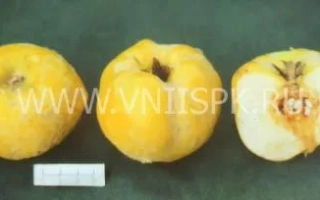
Fruits small, weighing about 50 g, round, slightly hairy. Skin yellow, shallow and small calyx, nearly invisible depression. Short, thick peduncle. Flesh light-yellow, very firm, low juice content, extraordinarily aromatic. Taste sour-sweet, medium astringent, satisfactory-good (…
Assignment
Recycling
Type of Sort
Sort
Flavor
Sour-sweet
Fetal Size
4-5
Description
Origin unknown. Variety selected in Moscow in 1998. Approved for the Central region.
Medium-sized tree or shrub.
Fruits small, weighing about 50 g, round, slightly hairy. Skin yellow, shallow and small calyx, nearly invisible depression. Short, thick peduncle.
Flesh light-yellow, very firm, low juice content, extraordinarily aromatic. Taste sour-sweet, medium astringent, satisfactory-good (about 3.5 points).
Fruits can be stored in a regular cellar (at +5-1°C) until February.
Fruits are mainly used in processing to produce excellent-flavored and tasting jams, compotes, juice, wine, liqueurs, jelly, syrup, marmalades, pastilles, and as a seasoning for vegetable salads. Baked fruits make an excellent aromatic filling for pies. Dried fruits are aromatic spices for tea and used as seasonings for meat and vegetable dishes.
The variety is characterized by high winter hardiness, annual and abundant fruiting, self-fertility, high resistance to diseases and pests, and high adaptability to growing conditions.
Each fruit contains about 50 seeds covered with a mucous membrane, used as a medicinal remedy for gastric ulcers, colitis, bronchitis, skin burns, etc.
Advantages of the variety: use as seed and vegetatively propagated rootstocks (green cuttings root 60-80%), distinguished by high winter hardiness, low growth, and good compatibility with all major pear varieties. For these characteristics, it significantly surpasses other quince varieties: Angers, Northern, BA-29.
Root system shallow, like other quince varieties, so pear trees on Moscow Sushova rootstocks require supports (posts, trellises).
Crop & resistance
Crop
Specifications hover over for a hint about the specification
| Assignment | |
|---|---|
| Type of Sort | |
| Flavor | |
| Fetal Size | 4-5 |
|
Fruit Color
Fruit Color
The fruit color of tomato varieties is influenced by the combination of skin and flesh color. Some varieties have transparent skin, others — yellow. When combined differently, the fruits can acquire quite diverse colors. The fruit color is affected by pigments (lycopene) and thei... |
|
| Meat Texture Consistency | |
| Height and shape of the tree | |
| Disease Resistance | |
| Cold Resistance | |
| Laziness | |
| Features | |
| Catalog | Catalog → Quince |
Not yet комментариев. Be the first!


See also
Often considered together with this variety





Recently viewed
Products you’ve viewed on this site
Reviews · 0