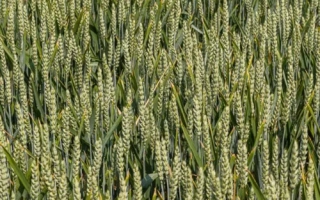
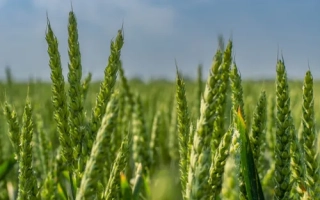
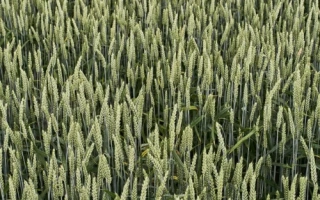
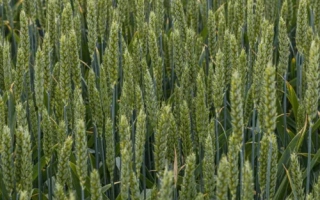
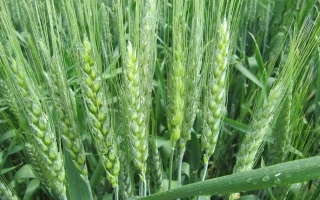
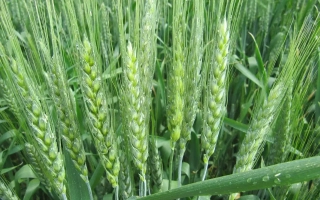
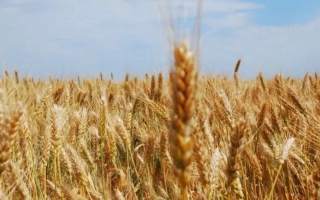
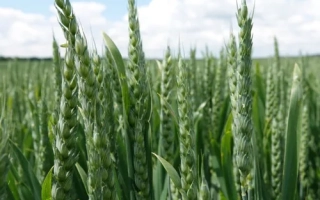
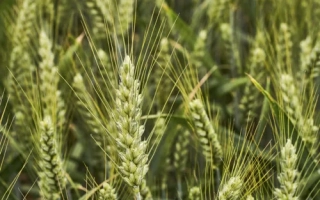
Winter wheat KWS Jersey is a soft variety developed by self-pollination in Germany and registered in 2017. This variety belongs to the mid-maturing group and is intended for cultivation in various agroclimatic zones, including forest-steppe, meadow-steppe, and steppe. KWS Jersey is characterized by high yield, which varies by region: from 55.2 centners/ha in the steppe zone to 72.1 centners/ha in the forest-steppe and 66.6 centners/ha in the meadow-steppe. The potential yield of the variety can reach 140 centners/ha, making it attractive for grain use.
The variety is characterized by high resistance to adverse environmental factors and diseases. On the resistance scale, it scores from 8.3 to 9 points for drought resistance, lodging and shattering resistance, as well as resistance to diseases — powdery mildew, rust, and fusarium. These qualities ensure stable yields and reduce the risk of losses under adverse weather conditions and pathogen attacks.
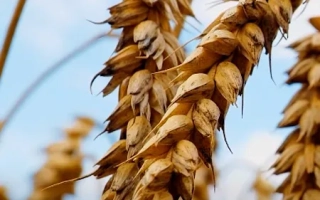
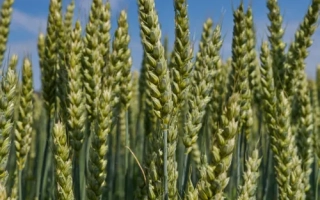
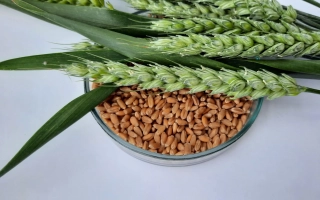
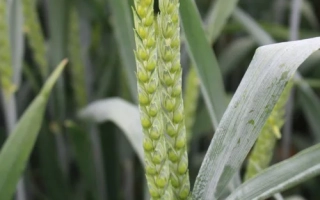
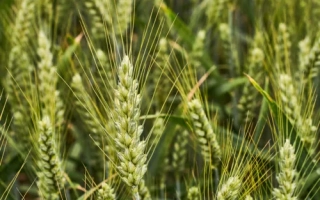
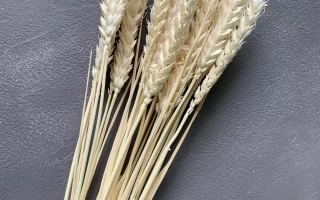
KWS Jersey is a glumeless variety with spikelets ranging from 10 to 15 cm in length, containing 58 to 60 grains. Thousand-grain weight varies from 40 to 50 grams, corresponding to food classes 1-3. Despite its high yield, the variety maintains high grain quality, making it valuable for food use. Due to its characteristics and adaptability, KWS Jersey is suitable for a wide range of growing conditions and ensures a stable and high-quality harvest.