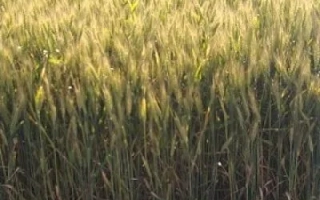
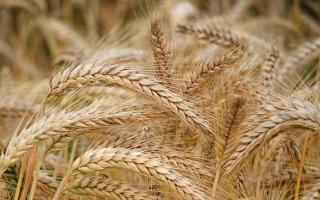
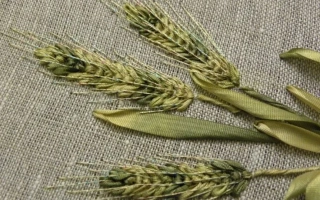
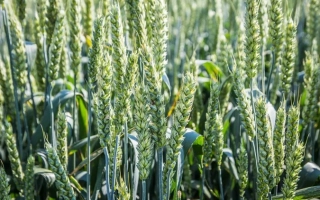
Wheat variety Volodarka is a mid-season, high-yielding variety with a vegetation period of 283-287 days, recommended for cultivation in the Polissia and Forest-Steppe zones. Plants reach a height of 85-100 cm and possess high genetic productivity potential with yields of 7.7-8.9 t/ha. The variety is characterized by resistance to lodging, grain shattering, root rot, septoria, fusarium, brown and powdery mildew, as well as high frost and drought tolerance, ensuring stable yields under various climatic conditions.
The grain of the Volodarka variety has high quality: protein content ranges from 12.6% to 14.1%, and the 1000-grain weight is 39-42 g. Flour from this grain has good baking properties, including raw gluten content of 27.1-30.8%, flour strength of 276-343 N, and loaf volume from 100 g of flour of 780-1000 ml. To achieve maximum productivity, it is recommended to cultivate using intensive technology with optimal doses of mineral fertilizers, early spring feeding on frozen soil, as well as protection against pests and diseases. The seeding rate is 5.5-6.0 million seeds per hectare, with optimal sowing dates from September 15-20. Best preceding crops are clean and fallow lands, annual grasses, and peas.
In addition to grain use, the Volodarka variety is also used as fodder wheat in animal husbandry due to its high protein content (11-15%), B and E vitamins, lysine, and phosphorus. This makes it a valuable component in compound feed and feed mix production. Grain moisture does not exceed 15%, which facilitates good storage and processing. High quality and yield make Volodarka a sought-after variety for both food and feed applications.