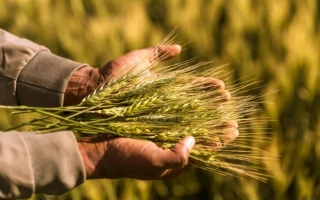
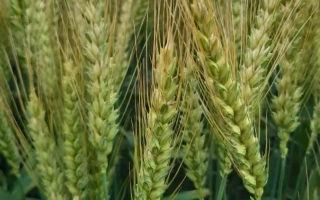
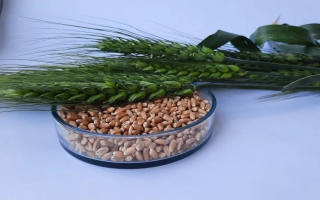
Wheat variety Snowana is a type of lutescens with a cylindrical, medium-length and dense ear. The glume is oval with distinct venation, the awn is moderately curved, and the ear shoulder is broad and straight. The grain is oval-egg-shaped, medium-sized with a shallow groove. Plants reach a height of 85 to 100 cm, and the 1000-grain weight is 39–42 g. The variety belongs to the mid-maturing group and is recommended for cultivation in the Polissia and forest-steppe zones. Intended use — grain, grain quality — filler, protein content 13–14%. Snowana is characterized by high yield potential, reaching 8.37 t/ha, as well as resistance to various diseases and stress factors. The variety exhibits high resistance to lodging and shattering (8 points each), moderate resistance to root rot (5–6 points), septoria, fusarium, brown rust (6–7 points), and powdery mildew (5–6 points). Thanks to these characteristics, wheat Snowana is well adapted to regional conditions and ensures stable yields. Variety Snowana is also valued for its excellent bread-making qualities, making it popular among grain producers. It belongs to the universal and high-yielding winter wheat varieties, capable of efficient use in intensive and semi-intensive farming systems. This enables farmers to obtain high-quality grain with good technological suitability for further processing.