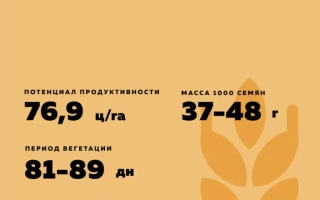
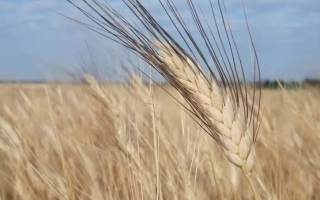
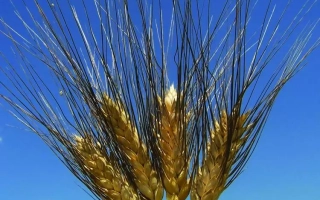
The hard spring wheat variety 'Nikola' is a mid-late variety intended for pasta and grain use. It is distinguished by high grain and gluten quality, making it a valuable improver in milling mixtures. The plants are semi-dwarf, 85-90 cm tall, with a semi-upright bush form during tillering. The ear is medium-sized, pyramidal, white, with long whitish awns. The grain is semi-long, of medium size, vitreous and yellow; the weight of 1000 seeds is 43-45 g. Protein content ranges from 15.2 to 17%, vitreousness reaches 78.5-97.1%, and the gluten index is in the range of 83-98, confirming the high technological qualities of the variety. The 'Nikola' variety has high resistance to lodging and shattering, ensuring harvest stability. It is resistant to brown and yellow rust, powdery bunt, and also shows moderate resistance to hard bunt. At the same time, the variety is susceptible to powdery mildew and septoria, therefore requiring appropriate phyto-sanitary control. Early sowing is recommended with a sowing rate of 4.0-4.5 million viable seeds per hectare. Sowing depth depends on the soil type and ranges from 2 to 5 cm. The optimal soil acidity level for growing the variety is pH 6.0-6.5; however, on soils with increased acidity, the application of phosphorus fertilizers is recommended. The 'Nikola' variety is recommended for cultivation in regions with climatic conditions similar to the Ural region, including the Kurgan and Orenburg regions. The average yield under these conditions is about 16.2 c/ha, with a maximum yield up to 38.9 c/ha. Thanks to its high technological and agronomic characteristics, the variety is in demand among pasta and grain product manufacturers, ensuring stable quality and high productivity.