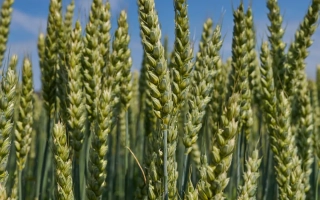
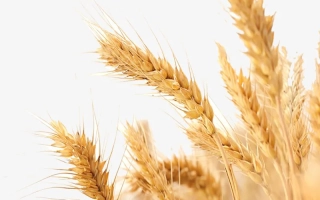
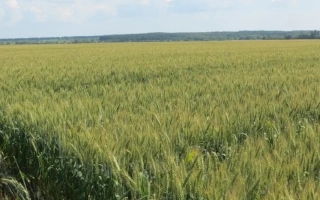
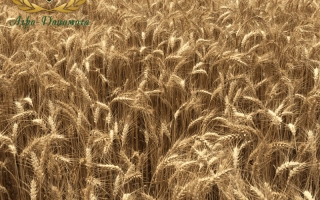
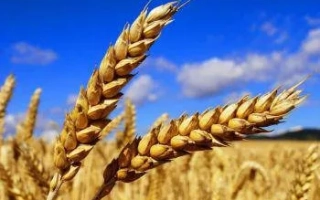
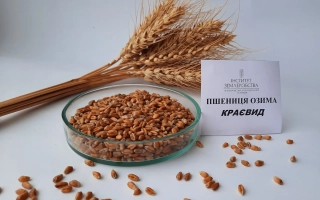
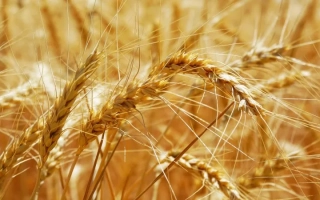
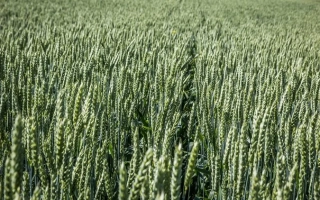
Wheat variety Kirena is the result of a hybrid combination of Driada 1 x Albatros Odessa and belongs to the erythrospermum type. This variety is characterized by a stiff, white ear with large, serrated awns 7.5 cm long. Kirena is a medium-early variety, allowing for harvest at optimal times. The grain has high weight — 1000 seeds weigh from 42 to 45 grams, and protein content reaches 14.3%, indicating good grain quality for further use. The variety exhibits high winter hardiness, as well as drought and heat resistance, making it a reliable choice for cultivation in forest-steppe and steppe regions. Kirena shows good field resistance to major wheat diseases such as brown rust, powdery mildew, fusarium, septoria, and fusarium ear rot. Additionally, the variety is resistant to lodging and shattering, which helps preserve yield and improve its quality. High yield potential and stable performance on medium and low agrofond conditions make this variety attractive for agricultural production. Recommended seeding rate is 4.5–5.0 million viable seeds per hectare, ensuring optimal plant density and maximum productivity. Kirena is well-adapted to agro-ecological conditions of the transitional zone from forest-steppe to steppe, as confirmed by research at the Verkhniazka Experimental-Selection Station. Due to its combination of high productivity, resistance to adverse factors, and grain quality, Kirena is a reliable choice for farmers aiming to achieve stable and high-quality winter wheat yields.