

SKU #52416
·
89 views
JAVA
Potato
IRISH POTATO MARKETINGUser rating
0 votes0% positive reviews
No ratings yet — be the first.
Beginning of fruiting
95-105 days
Corm; shape
Oval
Corm; skin color
Yellow
Corm; skin structure
Smooth
About product

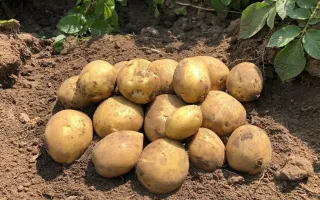
A reliable mid-season variety with excellent resistance to nematodes and scab, ensuring a high yield of top-quality tubers.
Beginning of fruiting
95-105 days
Corm; shape
Oval
Corm; skin color
Yellow
Corm; skin structure
Smooth
Description
Irish Breeding for Consistent Yields
In the seed potato market, the Java variety by Irish Potato Marketing occupies a solid niche among mid-season table varieties, focusing on consistency and marketability. Irish breeding is known for its adaptability to varying climates, and this variety is no exception, delivering predictable results across different farming conditions.
Agronomic Potential and Specifications
With a maturation period of 95–105 days, Java fits perfectly into a well-managed harvest cycle. The primary value of this potato lies in its tuber uniformity:
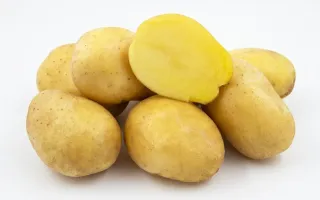
- Appearance: Oval tubers with smooth, yellow skin offer an attractive retail appearance, essential for modern grocery distribution.
- Technology: Shallow eyes make automated peeling and pre-sale processing significantly more efficient.
- Size Profile: The average tuber weight ranges from 50 to 130 grams, an ideal weight for both the HoReCa sector and retail produce markets.
Disease Resistance and Protection
A major driver for choosing this hybrid is its built-in genetic protection. The breeding program at Irish Potato Marketing prioritized defense against the most persistent pathogens:
- Potato Cyst Nematode: The variety shows high resistance to golden nematode, allowing for safe cultivation in high-risk zones.
- Potato Wart: Full resistance to the potato wart pathogen minimizes crop loss risks in quarantined areas.
- Common Scab and Alternaria: High resistance to common scab and Alternaria helps reduce the need for intensive chemical applications, promoting more sustainable production practices.
Java is the choice for professionals who prioritize the balance between yield performance and disease management. Thanks to Irish Potato Marketing's expertise, growers receive a reliable product with minimal risk of skin blemishes or internal defects.
Crop & resistance
Crop
Disease resistance
Pest resistance
Specifications hover over for a hint about the specification
|
Beginning of fruiting
Beginning of fruiting
The early maturity of watermelon varieties mainly depends on the duration of growth and fruit ripening phases, rather than the timing of female flower blooming. Many varieties, ripening at different times, begin to bloom almost simultaneously. Approximately 30 days after fruit se... |
95-105 days |
|---|---|
| Corm; shape | |
| Corm; skin color | |
| Corm; skin structure | |
| Cormorant; eye depth | |
| Corm; mass | 50-130 grams |
| Registration year | 2025 |
| Catalog | Catalog → Potato |
| Manufacturer | IRISH POTATO MARKETING |
| Country | Ireland |
Store offers
Prices are updated on loadLoading offers…
Aggregator catalog: prices are collected automatically from store websites, normalized by AI and converted at the current exchange rate. Before ordering, confirm the price and availability on the store's website. This block is not indexed by search engines — the data is loaded after the page opens.
Not yet комментариев. Be the first!
Alternatives
Seed potatoes · similar varieties





See also
Often considered together with this variety








Recently viewed
Products you’ve viewed on this site
Reviews · 0