


Prices in stores
No offers yet — stores have not added prices for this product yet.
Similar varieties with prices
-
ArizonaAGRICO
from 0.77 €per 1 kg
-
 PradaDen Hartigh BV
from 2.26 €per 1 kg
PradaDen Hartigh BV
from 2.26 €per 1 kg
-
 SunshineSolana
from 2.2 €per 1 kg
SunshineSolana
from 2.2 €per 1 kg
-
 EsmeeAGRICO
from 0.99 €per 1 kg
EsmeeAGRICO
from 0.99 €per 1 kg
Direction
Table Potato
Tuber: shape
Oval
Tuber: skin color
Light yellow (white)
Tuber: flesh color
Yellow
Your mark
0 votes
0% positive ratings
Description
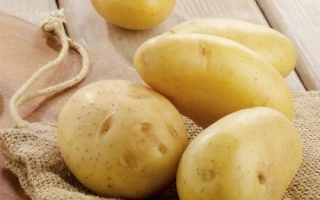
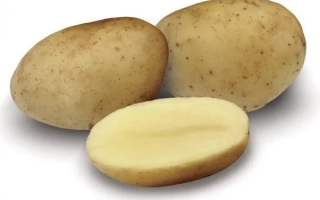
Wendy potato is a medium-early table variety of German origin, developed by the company Norika Nordring-kartofelzucht-und Vermehrungs-GmbH and included in the State Register of Selection Achievements of Russia in 2014. The plant is of medium height, semi-erect, with large light-green leaves and small to medium-sized flowers. Tubers are oval-shaped with small eyes, smooth skin, and yellow flesh that does not darken when cut. The weight of marketable tubers ranges from 92 to 120 grams, with starch content of 14.3–15.0%, ensuring good nutritional value and taste.
The variety is characterized by high yield, averaging 175–328 centners per hectare, and may reach up to 380 centners per hectare under favorable conditions, significantly exceeding the Nevsky standard. Marketable tuber percentage ranges from 79–94%, and storability reaches 95%, making this variety attractive for both personal cultivation and industrial production. Wendy adapts well to various soils and climatic conditions, expanding cultivation opportunities.
One of the key advantages of this variety is its high resistance to several diseases, including potato late blight, golden nematode, phytophthora, and common scab. These qualities ensure stable yields and reduce the need for intensive chemical protection. Wendy potato has excellent taste and low susceptibility to overcooking, making it versatile for various cooking methods.
The variety is characterized by high yield, averaging 175–328 centners per hectare, and may reach up to 380 centners per hectare under favorable conditions, significantly exceeding the Nevsky standard. Marketable tuber percentage ranges from 79–94%, and storability reaches 95%, making this variety attractive for both personal cultivation and industrial production. Wendy adapts well to various soils and climatic conditions, expanding cultivation opportunities.
One of the key advantages of this variety is its high resistance to several diseases, including potato late blight, golden nematode, phytophthora, and common scab. These qualities ensure stable yields and reduce the need for intensive chemical protection. Wendy potato has excellent taste and low susceptibility to overcooking, making it versatile for various cooking methods.
Crop & resistance
Crop
Disease resistance
Pest resistance
Specifications
| Direction | |
|---|---|
| Tuber | |
| Shape | |
| Skin color | |
| Flesh color | |
| Skin structure | |
| Eye depth | |
| Mass | 50-130 grams |
| Starch Content | 14-15% |
| Registration year | 2015 |
| Catalog | Catalog → Potato |
| Manufacturer | NORIKA |
| Country | Germany |
No reviews yet. Be the first to share your experience.
Alternatives
Seed potatoes · similar varieties




See also
Often considered together with this variety




Recently viewed
Products you’ve viewed on this site
Reviews