


SKU #46223
·
67 views
Autumn Lemon
Pear
User rating
0 votes0% positive reviews
No ratings yet — be the first.
Ripening Period
Summer
Cold Resistance
High (up to -30°C)
Disease Resistance
To bacterial burn
Fetal Size
Fine (<120 g)
Store offers · 2 from 2 stores
Prices are updated on loadLoading offers…
Available at: БаТаня · Наша Дача
Aggregator catalog: prices are collected automatically from store websites, normalized by AI and converted at the current exchange rate. Before ordering, confirm the price and availability on the store's website. This block is not indexed by search engines — the data is loaded after the page opens.
About product

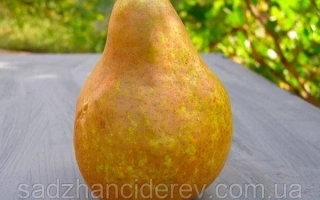
Lemonka Pear — an old folk selection variety widely grown in both mild climate regions and cold winter zones. The tree is vigorous, reaching about 6 meters in height, forming a spreading, moderately dense, rounded crown. Branches are slender and curved, with medium crown density. The variety is distinguished by high frost resistance and pest resistance, making it low-maintenance and reliable for c…
Ripening Period
Summer
Cold Resistance
High (up to -30°C)
Disease Resistance
To bacterial burn
Fetal Size
Fine (<120 g)
Description
Lemonka Pear — an old folk selection variety widely grown in both mild climate regions and cold winter zones. The tree is vigorous, reaching about 6 meters in height, forming a spreading, moderately dense, rounded crown. Branches are slender and curved, with medium crown density. The variety is distinguished by high frost resistance and pest resistance, making it low-maintenance and reliable for cultivation under various conditions. Fruit appears 7–8 years after planting.
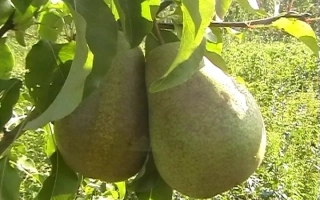
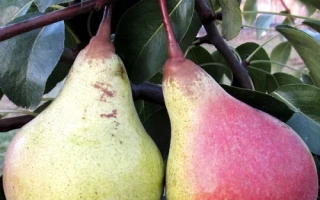
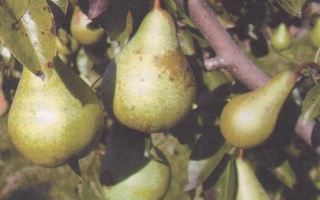
Fruits of the Lemonka pear are small, weighing 70–100 grams, round in shape and bright lemon-yellow in color. The flesh is creamy, coarse-grained, juicy and firm, with a subtle acidity and distinct lemon aftertaste. Fruits ripen at the end of August to early September, classifying the variety as late-season. Despite abundant fruiting, total yield is around 60 kg per tree due to their small weight. Fruits have a pleasant aroma and are suitable for fresh consumption, as well as for making jams and compotes.
The variety is self-sterile, so for successful fruiting, it is necessary to plant pollinators nearby, such as Williams, Bessemianka, Lesnaya Krasavitsa, or Lyubimitsa Klappa. When selecting a planting site, it is important to consider the tree’s need for sunlight and ample root space, and avoid planting near stone fruits like apricots or plums to prevent conflicts. For maintaining tree health and productivity, formative pruning should be performed from the second year onwards, and fertilizers such as superphosphate and potassium fertilizers should be applied, avoiding nitrogen fertilizers in the first few years.
Fruits of the Lemonka pear are small, weighing 70–100 grams, round in shape and bright lemon-yellow in color. The flesh is creamy, coarse-grained, juicy and firm, with a subtle acidity and distinct lemon aftertaste. Fruits ripen at the end of August to early September, classifying the variety as late-season. Despite abundant fruiting, total yield is around 60 kg per tree due to their small weight. Fruits have a pleasant aroma and are suitable for fresh consumption, as well as for making jams and compotes.
The variety is self-sterile, so for successful fruiting, it is necessary to plant pollinators nearby, such as Williams, Bessemianka, Lesnaya Krasavitsa, or Lyubimitsa Klappa. When selecting a planting site, it is important to consider the tree’s need for sunlight and ample root space, and avoid planting near stone fruits like apricots or plums to prevent conflicts. For maintaining tree health and productivity, formative pruning should be performed from the second year onwards, and fertilizers such as superphosphate and potassium fertilizers should be applied, avoiding nitrogen fertilizers in the first few years.
Crop & resistance
Crop
Specifications hover over for a hint about the specification
|
Ripening Period
Ripening Period
It takes 70-100 days until pepper reaches flowering stage, 130-160 days until technical fruit ripeness, and 135-180 days until physiological ripeness. |
Summer |
|---|---|
| Cold Resistance | |
| Disease Resistance | |
| Fetal Size | Fine (<120 g) |
|
Fruit Color
Fruit Color
The fruit color of tomato varieties is influenced by the combination of skin and flesh color. Some varieties have transparent skin, others — yellow. When combined differently, the fruits can acquire quite diverse colors. The fruit color is affected by pigments (lycopene) and thei... |
|
| Flavor | |
| Height and shape of the tree | |
| Assignment | |
| Features | |
| Registration year | 1994 |
| Catalog | Catalog → Pear |
| Legal data |
Show · 1
|
| Country | Ukraine |
Not yet комментариев. Be the first!
Alternatives
Pear saplings · similar varieties




See also
Often considered together with this variety






Recently viewed
Products you’ve viewed on this site
Reviews · 0