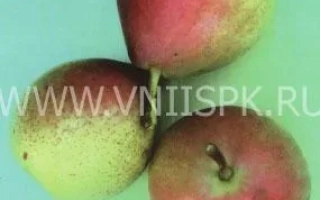
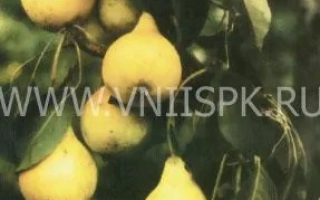
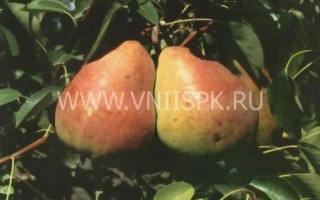
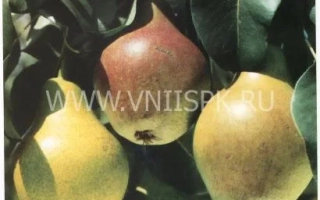
A highly valued local winter variety of popular selection from the mountain-valley region of Dagestan (originating from the village of Gimra in the Unzukulsky District of the Republic of Dagestan). Approved for the North Caucasus region. It is widespread in the northern mountain-valley subzone of the mountainous area of the Republic of Dagestan and also occurs in the foothill zone of Dagestan.
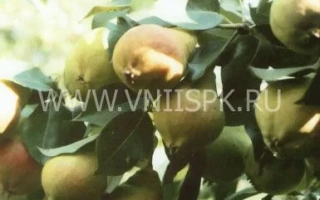
The tree is vigorous, with a high, rounded crown in its youth; the crown in fruiting is high, wide-oval, medium density, sometimes of giant size. The fruiting type is mostly ring-shaped.
Shoots are long, medium thickness, brown. Leaves are large, smooth, margins finely serrated (finely toothed), petioles long and slender, no stipules.
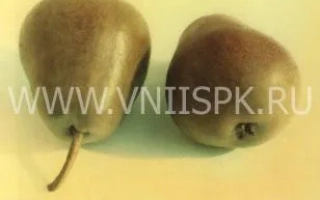
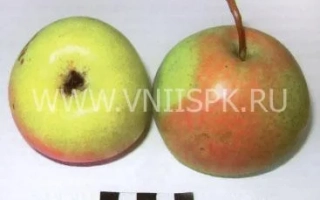
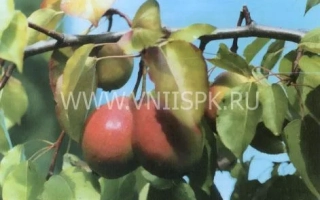
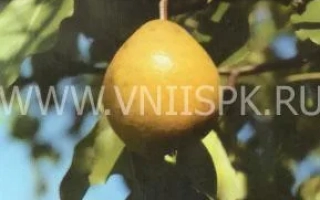
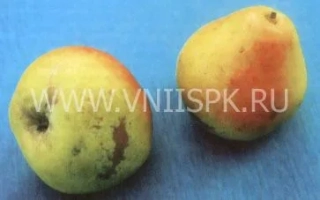
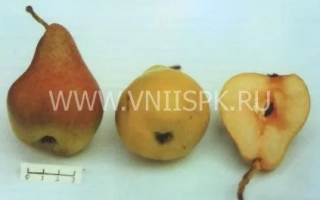
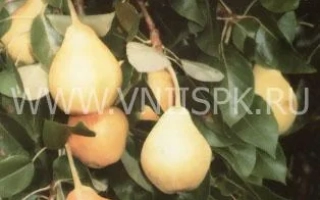
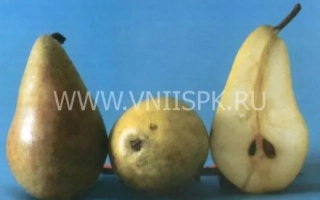
Fruits are large and very large, averaging 286 g, maximum weight 1000 g, short-pome-shaped, broadly ribbed. Fruit surface is smooth, slightly rough. Color at harvest is green, during consumer ripeness greenish-yellow, no bloom or waxy coating. Peduncle is long and thick. Calyx is medium, closed. Subcalyx tube is small and narrow. Seed chambers are medium, closed. Seeds are egg-shaped, thin or large in size. Axial cavity is narrow.
Flesh is greenish-yellow; very juicy, coarse-grained, contains stone-like granules, sour-sweet, good taste (4.0-4.5 points). Fruits contain 15.2% dry matter, 8.4% sugars, 0.37% acids, 22.7 mg/100g ascorbic acid.
Late-fruiting variety; begins fruiting on seedling on 7-8 years, on vigorous rootstock (wild Caucasian pear seedlings) — on 12-14 years, but trees are very long-lived, living and fruiting up to 200 years.
Ripening period is October 10-20. Fruit wind resistance is insufficient. Transportability is high.
Fruits can be stored until April in ordinary fruit storage without forced cooling. The variety is suitable for both table and canned use; fruits are used for making high-quality compotes.
Yield is extremely high, averaging 300-350 centners/ha. Record trees yield 800 to 3000-3500 kg per tree. Fruit production is not sharply periodic.
Winter hardiness of trees in the mountain-valley Dagestan is good, but in the northern foothill subzone, due to early vegetation, flower buds may occasionally be slightly damaged by frost.
Fruits are weakly damaged by scab and fruit moth. The variety is triploid and self-sterile. Pollinators: Olivier de Serre, Saint-Germain.
Advantages of the variety: exceptionally high yield and large fruit size, disease resistance, long storage life, high transportability, and rich chemical composition of fruits, long tree lifespan.
Disadvantages of the variety: late onset of fruiting, excessively large, giant tree size, presence of granules in fruit flesh.
The Gimrinskaya variety can serve as the best source for creating highly productive, large-fruited late-winter pear varieties with long storage life and high fruit transportability.