


SKU #34450
·
65 views
Pea Bogun
Pea
Prices in stores
No offers yet — stores have not added prices for this product yet.
Similar varieties with prices
-
GardeMORAVOSEED
from 7.75 €per 1 kg
-
 PaddleSAS FLORIMOND-DESPREZ Veuve et Fils
from 11.12 €
PaddleSAS FLORIMOND-DESPREZ Veuve et Fils
from 11.12 €
-
 NS Mraz / NS MorozIFVCNS (Novi Sad)
from 0.3 €per 1 kg
NS Mraz / NS MorozIFVCNS (Novi Sad)
from 0.3 €per 1 kg
-
 Alloiz
from 4.6 €per 1 kg
Alloiz
from 4.6 €per 1 kg
Plant Type
Leafless (tendril type)
Production Direction
For grain
Growing Season
85-90
Plant: height
60-80
Your mark
0 votes
0% positive ratings
About product
A high-tech tendrilled variety designed for seamless direct harvesting.
Description
Morphological and Engineering Profile
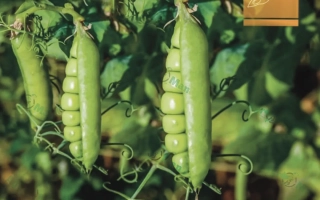
The «Bohun» pea variety, developed by the Institute of Fodder of the UAAS, represents a selection strategy focused on technological efficiency and consistent protein yield. The fundamental design element of this variety is its leafless (semi-leafless/tendrilled) morphotype. By replacing standard leaflets with tendrils, the plant architecture changes fundamentally: plants interlock, creating a self-supporting network that resists lodging even under harsh wind or heavy precipitation.
Harvesting Efficiency and Kernel Parameters
Direct harvesting is the main challenge for many pea varieties, but «Bohun» is optimized for minimal field losses. Its stem height of 60–80 cm combined with excellent standing ability ensures that combine harvesters can operate at maximum efficiency without significant crop loss. A vegetation period of 85–90 days allows for precise crop rotation management and helps avoid the peak summer temperatures that often trigger flower abortion.
- 1000-kernel weight: 240–260 g, ensuring uniform emergence and high germination energy.
- Protein profile: Protein content ranges from 21% to 23%, meeting the standards for high-quality commercial grain.
The practical advantage of this combination is the predictability of the harvest. «Bohun» does not require complex plant growth regulators to prevent lodging, which lowers input costs during the growing season and simplifies the logistics of the harvest cycle.
Crop & resistance
Crop
Specifications
| Plant Type | |
|---|---|
| Production Direction | |
| Growing Season | 85-90 |
| Plant: height | 60-80 |
| Beans | |
| Weight per 1000 seeds | 240-260 |
| Protein Content | 21-23 |
| Suitability for direct harvesting | |
| Registration year | 1993 |
| Catalog | Catalog → Pea |
| Legal data |
Show · 1
|
| Country | Ukraine |
No reviews yet. Be the first to share your experience.


See also
Often considered together with this variety




Recently viewed
Products you’ve viewed on this site
Reviews