


SKU #63019
·
42 views
CARANTANSKY
Onion
Агрофирма АэлитаUser rating
0 votes0% positive reviews
No ratings yet — be the first.
Type
Leek
Direction
Salad
Harvest Method
Manual
Yield
More than 100 tons/ha
Prices in stores
from9.9 €per 1000 seeds
pack from 0.19 € per 1 g
6 offers from 6 stores
Store offers · 6 from 6 stores
Prices are updated on loadLoading offers…
Available at: AYRIS · Centre Liliya · Greenmarket · Rostok · Сезон Удачи · Все Росте · Yaskrava Klumba
Aggregator catalog: prices are collected automatically from store websites, normalized by AI and converted at the current exchange rate. Before ordering, confirm the price and availability on the store's website. This block is not indexed by search engines — the data is loaded after the page opens.
About product

Carantansky leek is a late-maturing European variety grown for large, juicy, and thick white stems with a delicate, semi-sharp taste. The ripening period ranges from 120 to 200 days, averaging around 180 days, allowing harvest from late September to October. Stems reach up to 25 cm in length and about 4 cm in thickness, with a single plant weighing up to 300 g. Leaves are dark green, large, and co…
Type
Leek
Direction
Salad
Harvest Method
Manual
Yield
More than 100 tons/ha
Description
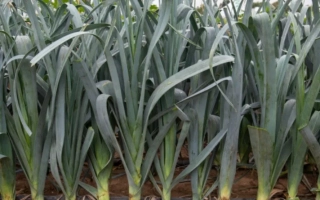
Carantansky leek is a late-maturing European variety grown for large, juicy, and thick white stems with a delicate, semi-sharp taste. The ripening period ranges from 120 to 200 days, averaging around 180 days, allowing harvest from late September to October. Stems reach up to 25 cm in length and about 4 cm in thickness, with a single plant weighing up to 300 g. Leaves are dark green, large, and covered with a dense waxy coating, providing density and protection against adverse weather conditions. The variety is distinguished by high resistance to diseases and adverse climatic factors, as well as good winter hardiness, allowing fresh greens to be harvested until the first frost.
Carantansky leek is widely used in cuisine due to its mild flavor, which surpasses the delicacy of onion. It is used both fresh and in prepared dishes, including meat and fish dishes, omelets, lasagna, and other recipes with thermal processing. Additionally, leek is suitable for storage, freezing, and pickling, expanding its usage possibilities in the household.
Growing Carantansky leek is significantly simplified by using seed-coated on water-soluble tape. This technology ensures uniform seed placement with optimal intervals, eliminating the need for thinning seedlings and promoting high germination close to 100%. The tape fully dissolves in the soil after a few waterings, releasing nutrients necessary for plant growth. For planting, it is recommended to choose fertile soil with good drainage and low acidity, pre-fertilized and tilled. Seeds are sown in early April, and the harvest is collected in autumn, yielding up to 4 kg per square meter.
Carantansky leek is widely used in cuisine due to its mild flavor, which surpasses the delicacy of onion. It is used both fresh and in prepared dishes, including meat and fish dishes, omelets, lasagna, and other recipes with thermal processing. Additionally, leek is suitable for storage, freezing, and pickling, expanding its usage possibilities in the household.
Growing Carantansky leek is significantly simplified by using seed-coated on water-soluble tape. This technology ensures uniform seed placement with optimal intervals, eliminating the need for thinning seedlings and promoting high germination close to 100%. The tape fully dissolves in the soil after a few waterings, releasing nutrients necessary for plant growth. For planting, it is recommended to choose fertile soil with good drainage and low acidity, pre-fertilized and tilled. Seeds are sown in early April, and the harvest is collected in autumn, yielding up to 4 kg per square meter.
Video · 2 videos
Suggest a video →Specifications hover over for a hint about the specification
|
Type
Type
Galia (Galia) type — relatively new, of Israeli origin, although there are indications that this variety may originate from Spain. The fruits of this type are round or oval, weighing about 1 kg. The surface is smooth, covered with a delicate, connected netting, turning yellow whe... |
|
|---|---|
|
Direction
Direction
Existing varieties and types of cabbage are grown for fresh consumption, long-term storage, and technical processing. |
|
|
Harvest Method
Harvest Method
Most existing onion varieties are harvested manually. This is because onion bulbs are very sensitive to mechanical damage. However, there are varieties whose bulbs have a hard consistency and are suitable for mechanical harvesting. |
|
|
Yield
Yield
Overall bulb harvest per unit area. Depends on both onion variety characteristics and agronomic practices, fertilizers, and irrigation. Under optimal growing conditions, an onion yield of 100 tons per hectare and above is not considered record-breaking. |
More than 100 tons/ha |
| Registration year | 1961 |
| Catalog | Catalog → Onion |
| Manufacturer | Агрофирма Аэлита |
| Legal data |
Show · 4
|
| Country | Russia |
Not yet комментариев. Be the first!
Alternatives
Onion seeds · similar varieties




See also
Often considered together with this variety







Recently viewed
Products you’ve viewed on this site
Reviews · 0