


SKU #65048
·
149 views
MAX
Oats
Saatzucht Bauer Biendorf GmbH & Co. KGUser rating
0 votes0% positive reviews
No ratings yet — be the first.
Ripeness Group (days)
Early maturing (80-95)
Yield
60+
Disease Resistance
Powdery mildew
Mass of 1000 seeds (g)
32-36
About product

The spring oat variety "Max" is a mid-early, high-yielding, and high-quality variety developed by German breeders of Bayer AG. The vegetative period is 70-88 days; the plant features a semi-erect bush with a two-sided head and drooping spikelets. The grain size varies from medium to large, with a 1000-grain weight of 30-41 g, yellow color, and low hull content. The specific weight is 410-520 g/L,…
Ripeness Group (days)
Early maturing (80-95)
Yield
60+
Disease Resistance
Powdery mildew
Mass of 1000 seeds (g)
32-36
Description
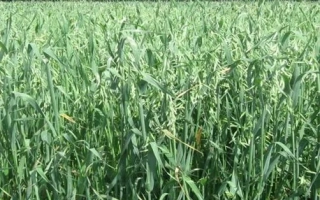
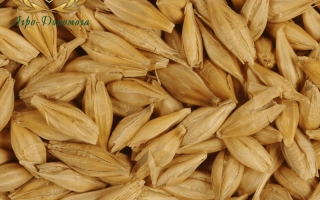
The spring oat variety "Max" is a mid-early, high-yielding, and high-quality variety developed by German breeders of Bayer AG. The vegetative period is 70-88 days; the plant features a semi-erect bush with a two-sided head and drooping spikelets. The grain size varies from medium to large, with a 1000-grain weight of 30-41 g, yellow color, and low hull content. The specific weight is 410-520 g/L, and the protein content reaches 10.8-13.9%, making this oat valuable for food use.
Variety "Max" is distinguished by its resistance to lodging and powdery mildew, as well as moderate drought resistance, which ensures stable yields under various climatic conditions. Potential yield can reach 89 c/ha, while the average yield is around 34.4 c/ha. The plant has short spikelet glumes with a strong waxy coating, which helps protect against adverse factors. The recommended sowing rate is 340–350 pcs/m² for early sowings and 350–380 pcs/m² for late sowings.
To achieve maximum productivity, the application of fertilizers with phosphorus and potassium at rates of 40–50 kg/ha of active substance, as well as nitrogen in an amount of 50–80 kg/ha depending on the expected yield, is recommended. The variety is recommended for cultivation in various regions, including the Bryansk, Kaluga, and Kursk regions, as well as the North-West, Central, Central Black Earth, Middle Volga, and West Siberian regions. Due to its agronomic characteristics and grain quality, the oat "Max" is an excellent choice for food production.
Variety "Max" is distinguished by its resistance to lodging and powdery mildew, as well as moderate drought resistance, which ensures stable yields under various climatic conditions. Potential yield can reach 89 c/ha, while the average yield is around 34.4 c/ha. The plant has short spikelet glumes with a strong waxy coating, which helps protect against adverse factors. The recommended sowing rate is 340–350 pcs/m² for early sowings and 350–380 pcs/m² for late sowings.
To achieve maximum productivity, the application of fertilizers with phosphorus and potassium at rates of 40–50 kg/ha of active substance, as well as nitrogen in an amount of 50–80 kg/ha depending on the expected yield, is recommended. The variety is recommended for cultivation in various regions, including the Bryansk, Kaluga, and Kursk regions, as well as the North-West, Central, Central Black Earth, Middle Volga, and West Siberian regions. Due to its agronomic characteristics and grain quality, the oat "Max" is an excellent choice for food production.
Crop & resistance
Crop
Disease resistance
Specifications hover over for a hint about the specification
| Ripeness Group (days) | Early maturing (80-95) |
|---|---|
|
Yield
Yield
Overall bulb harvest per unit area. Depends on both onion variety characteristics and agronomic practices, fertilizers, and irrigation. Under optimal growing conditions, an onion yield of 100 tons per hectare and above is not considered record-breaking. |
60+ |
| Disease Resistance | |
| Mass of 1000 seeds (g) | 32-36 |
| Protein (%) | 12-13 |
| Grain-oriented | |
| Corn Color | |
| Usage Type | |
| Registration year | 2015 |
| Catalog | Catalog → Oats |
| Manufacturer | Saatzucht Bauer Biendorf GmbH & Co. KG |
| Legal data |
Show · 4
|
| Country | Germany |
Store offers
Prices are updated on loadLoading offers…
Aggregator catalog: prices are collected automatically from store websites, normalized by AI and converted at the current exchange rate. Before ordering, confirm the price and availability on the store's website. This block is not indexed by search engines — the data is loaded after the page opens.
Not yet комментариев. Be the first!


See also
Often considered together with this variety






Recently viewed
Products you’ve viewed on this site
Reviews · 0