


SKU #70721
·
61 views
NIAAGRA
Mustard
User rating
0 votes0% positive reviews
No ratings yet — be the first.
Grain Yield (ц/га)
20–25
Oil content of seeds (%)
35–40
Registration year
2011
About product

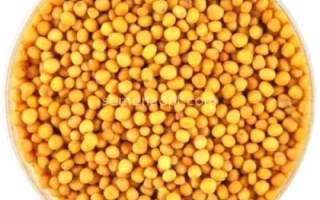
Niaagra is a spring black mustard (Brassica nigra) variety grown at the early stage of maturity. The plant is low-growing, reaching a height of 80 to 130 cm, with rippled green leaves and a racemose inflorescence of yellow flowers. The seeds have a brownish color, the mass of 1000 seeds is about 2.5–2.7 grams, and the total oil content reaches 34–40 %. The high content of essential oil (0.90–1.05…
Grain Yield (ц/га)
20–25
Oil content of seeds (%)
35–40
Registration year
2011
Description
Niaagra is a spring black mustard (Brassica nigra) variety grown at the early stage of maturity. The plant is low-growing, reaching a height of 80 to 130 cm, with rippled green leaves and a racemose inflorescence of yellow flowers. The seeds have a brownish color, the mass of 1000 seeds is about 2.5–2.7 grams, and the total oil content reaches 34–40 %. The high content of essential oil (0.90–1.05 %) makes this variety particularly valuable for the production of mustard sauce and food additives.
The key advantage of Niaagra is the concentration of erucic acid in the range of 35–37 %, which gives the product a characteristic sharp taste and enhances its preserving properties due to allyl isothiocyanates. The oil obtained from the seeds is not classified as edible fats but is widely used in cooking to prepare table mustard. Due to the high oil content and essential oil content, the meal (cake) after pressing is also suitable as feed material.
The variety is resistant to pests: it is not affected by cruciferous flea beetles, flower eaters, alternaria, and powdery mildew. The yield of green mass reaches 18 t/hectare, and the potential yield is about 20 centners/hectare. These characteristics make Niaagra an attractive choice for farmers seeking high quality and production efficiency indicators for mustard.
The key advantage of Niaagra is the concentration of erucic acid in the range of 35–37 %, which gives the product a characteristic sharp taste and enhances its preserving properties due to allyl isothiocyanates. The oil obtained from the seeds is not classified as edible fats but is widely used in cooking to prepare table mustard. Due to the high oil content and essential oil content, the meal (cake) after pressing is also suitable as feed material.
The variety is resistant to pests: it is not affected by cruciferous flea beetles, flower eaters, alternaria, and powdery mildew. The yield of green mass reaches 18 t/hectare, and the potential yield is about 20 centners/hectare. These characteristics make Niaagra an attractive choice for farmers seeking high quality and production efficiency indicators for mustard.
Crop & resistance
Crop
Disease resistance
Pest resistance
Specifications
| Grain Yield (ц/га) | 20–25 |
|---|---|
| Oil content of seeds (%) | 35–40 |
| Registration year | 2011 |
| Catalog | Catalog → Mustard |
| Legal data |
Show · 9
|
| Country | Russia |
Store offers
Prices are updated on loadLoading offers…
Aggregator catalog: prices are collected automatically from store websites, normalized by AI and converted at the current exchange rate. Before ordering, confirm the price and availability on the store's website. This block is not indexed by search engines — the data is loaded after the page opens.
Not yet комментариев. Be the first!


See also
Often considered together with this variety






Recently viewed
Products you’ve viewed on this site
Reviews · 0