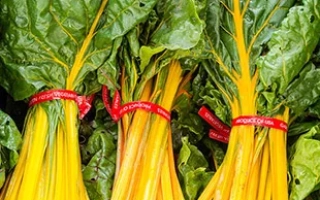
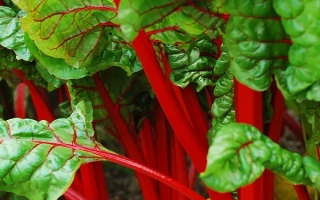
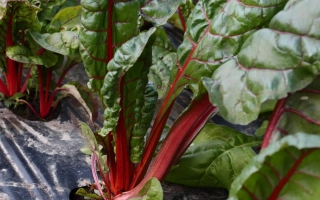
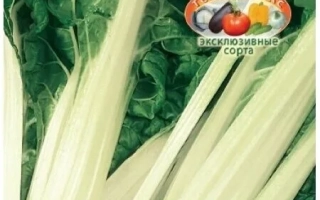
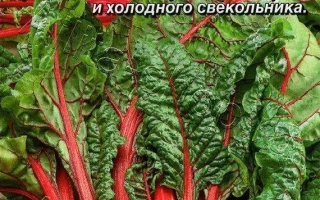
Chard – a valuable vegetable crop from the family Amaranthaceae, known as leaf beet. The plant is characterized by a compact vertical rosette of leaves up to 50 cm high and wide, juicy petioles 20–25 cm long of a light-green color. The leaves are dark green, highly crinkled, tender and tasty; they can be cut multiple times and then used in dishes – from stuffed cabbage to salads and soups.
Chard petioles are also valued for their nutritional properties: they are pickled, stewed, turned into caviar, or used to obtain juice used in the treatment of blood diseases. The plant's root crop has a fibrous root that develops in the first season after planting; it can be pickled and added to dishes.
Chard is rich in vitamins, minerals and has low caloric content, which makes it beneficial for people with hypertension, anemia, obesity and diabetes. It improves lymph flow, strengthens the immune system and normalizes liver functions. In cooking, leaves can be fermented, and root crops – pickled; they are also dried and frozen for further use. Due to its bright appearance, chard is often used as a decorative plant on home plots.