


SKU #72282
·
68 views
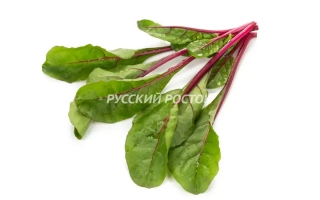
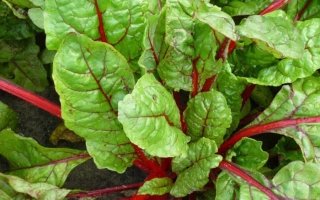
Swiss Chard Beauty
Swiss Chard
Prices in stores
No offers yet — stores have not added prices for this product yet.
Similar varieties with prices
-
GREENMORAVOSEED
from 39.53 €per 1 kg
-
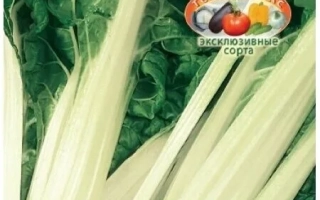 SVEKMAn
from 136.4 €per 1 kg
SVEKMAn
from 136.4 €per 1 kg
-
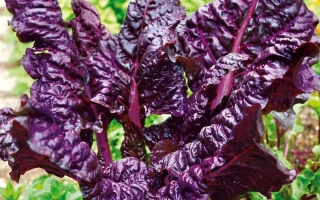 SOLDJERBejo
from 98.65 €
SOLDJERBejo
from 98.65 €
-
 BULS BLADHILD SAMEN GMBH
from 125 €per 1 kg
BULS BLADHILD SAMEN GMBH
from 125 €per 1 kg
Purpose
For Fresh Consumption, Culinary
Registration year
2002
Your mark
0 votes
0% positive ratings
About product
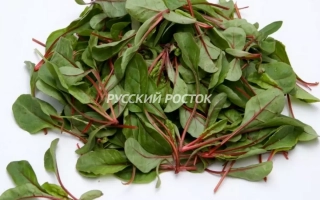
A low-maintenance chard variety that delivers a consistent supply of fresh, succulent greens all season long.
Description
Growing 'Krasavitsa' Chard: Practical Insights
This Swiss chard variety is the go-to choice for those who value predictable results in the garden. Developed by the N.I. Vavilov Institute (VIR) and the 'Euro-Semena' team, the 'Krasavitsa' hybrid is well-adapted to regional climate conditions. Its performance metrics allow for a steady, reliable harvest without the need for overly complex agronomic maintenance.
Cultivation and Performance
- Planting and Care: The variety is undemanding regarding soil quality, though it performs best in loose, organic-rich beds. Proper spacing between plants is recommended to ensure good airflow within the rosettes.
- Resource and Yield: The seeds boast high germination rates. With consistent watering, the rosette recovers quickly after leaf harvesting, allowing for a prolonged harvest cycle from a single sowing throughout the season.
- Resilience: The plant shows decent resistance to temperature fluctuations, which is essential for regions with unstable spring weather.
Culinary Utility
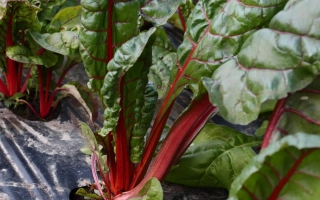
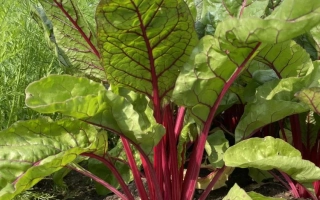
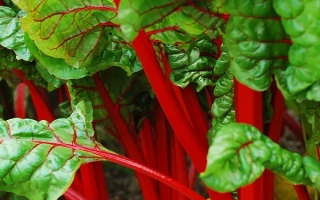
Unlike many other leafy greens, 'Krasavitsa' chard is prized for its succulent stalks and tender leaf texture. It is highly versatile in the kitchen: perfect for fresh salads and green smoothies, yet robust enough to maintain its structure and flavor when braised or added to soups. It is a full-cycle vegetable, from seed to table, requiring minimal time and effort for both harvesting and meal preparation.
Specifications
| Purpose | |
|---|---|
| Registration year | 2002 |
| Catalog | Catalog → Swiss Chard |
| Legal data |
Show · 9
|
| Country | Russia |
No reviews yet. Be the first to share your experience.
Alternatives
Swiss Chard · similar varieties



See also
Often considered together with this variety






Recently viewed
Products you’ve viewed on this site
Reviews