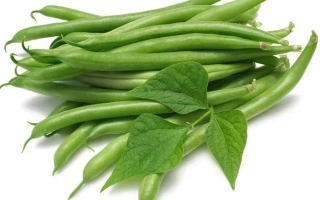
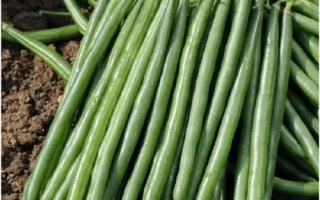
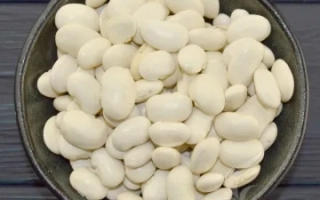
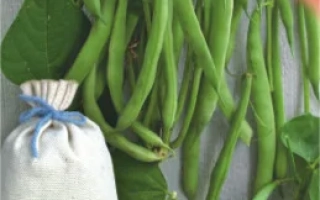
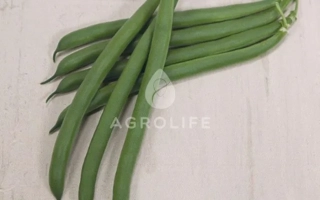
Sparagous bean 'Blue Pea' is a late-maturing variety with a climbing plant type and dark-purple, long, meaty pods. This variety is distinguished by its high flavor quality, and after culinary processing, the beans change color to bright green, giving dishes an attractive appearance. The meaty and juicy beans are ideal for various cooking methods, including soups, stewing, and canning, making 'Blue Pea' a versatile product suitable for both direct consumption and processing.
For successful cultivation of 'Blue Pea' bean, seeds should be sown in open ground in April-May at soil temperatures not lower than +10-12°C. The optimal temperature for plant growth and development is 25-30°C. At temperatures dropping to +3°C, the beans begin to yellow and stop growing, and frost kills the plants. The bean is heat-loving but poorly tolerates heat and drought, especially during flowering. The plant requires sufficient light and soil moisture, as shade and dense planting negatively affect development, while water deficiency reduces fruit quality and promotes the formation of parchment-like layers. Excess moisture is also harmful, causing mass flower and pod drop.
The best conditions for growing 'Blue Pea' bean are light-textured soils with sufficient humus content, such as light chernozems. Organic fertilizers are not mandatory, but it is recommended to apply phosphorus and potassium fertilizers in the fall, as well as microfertilizers to increase yield and fruit quality. Planting density should be 2.8-3.5 plants per square meter, ensuring optimal plant development and fruiting.