


SKU #46126
·
64 views
White Muscat
Grape
User rating
0 votes0% positive reviews
No ratings yet — be the first.
Resistance to Mildew
Low
Resistance to oidium
Low
Yield
High
Bush Growth Power
Medium
Store offers · 5 from 4 stores
Prices are updated on loadLoading offers…
Available at: 1sad · FermerGreen · lemsad-com-ua · Sadovnikoff
Aggregator catalog: prices are collected automatically from store websites, normalized by AI and converted at the current exchange rate. Before ordering, confirm the price and availability on the store's website. This block is not indexed by search engines — the data is loaded after the page opens.
About product

White Muscat is an ancient grape variety originating from regions of Syria, Egypt, and Arabia, belonging to the eastern eco-geographical group. It is widely cultivated in European countries such as France, Italy, Spain, Hungary, as well as in the USA and former Yugoslavia. The leaves of this variety are of medium size, with 3-5 lobes or entire, featuring large sharp teeth, light green veins, and a…
Resistance to Mildew
Low
Resistance to oidium
Low
Yield
High
Bush Growth Power
Medium
Description
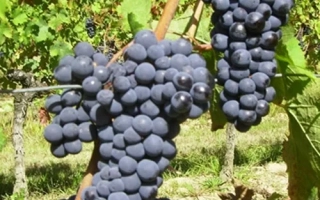
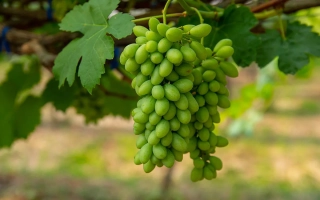
White Muscat is an ancient grape variety originating from regions of Syria, Egypt, and Arabia, belonging to the eastern eco-geographical group. It is widely cultivated in European countries such as France, Italy, Spain, Hungary, as well as in the USA and former Yugoslavia. The leaves of this variety are of medium size, with 3-5 lobes or entire, featuring large sharp teeth, light green veins, and a yellow margin along the edges. Bunches are cylindrical or cylindrical-conical in shape, dense, medium-sized, with round berries of yellow-golden color, possessing a strong muscat aroma. This grape variety is distinguished by its ability to accumulate sugar up to 25% with acidity around 10.5 g/l, making it ideal for producing various types of wines — from semi-sweet and dessert wines to sparkling wines. White Muscat is valued for its vibrant aroma with notes of tea rose and citron, which makes it suitable for producing renowned wines such as Asti in Italy, as well as the best dessert wines of Ukraine and other countries. Besides winemaking, the berries of this variety are also consumed fresh, highlighting its versatility. The variety prefers moderately dry and sunny locations, although it is susceptible to diseases such as mildew, oidium, and anthracnose, as well as winter frosts. For increased yield and berry quality, potassium fertilizers are recommended. Medium-sized vines with upright shoots, under favorable conditions, can produce up to 90% shoot growth and fruiting around 45%. Berry weight is 3-4 grams, and bunch weight can reach up to 450 grams, making White Muscat attractive both for winemakers and fresh grape enthusiasts.
Video · 3 videos
Suggest a video →Crop & resistance
Crop
Disease resistance
Specifications hover over for a hint about the specification
| Resistance to Mildew | |
|---|---|
| Resistance to oidium | |
|
Yield
Yield
Overall bulb harvest per unit area. Depends on both onion variety characteristics and agronomic practices, fertilizers, and irrigation. Under optimal growing conditions, an onion yield of 100 tons per hectare and above is not considered record-breaking. |
High |
| Bush Growth Power | |
| Bunch Size | Medium (300–500 g) |
| Berry Size | Medium (2–5 g) |
| Flavor | |
| Sugar Content | High (>20%) |
| Zoning | |
| Care Requirement | |
| Assignment | |
| Registration year | 1959 |
| Catalog | Catalog → Grape |
| Country | Ukraine |
Not yet комментариев. Be the first!
Alternatives
Grapevine saplings · similar varieties







See also
Often considered together with this variety



Recently viewed
Products you’ve viewed on this site
Reviews · 0