


SKU #67773
·
61 views
Garlic TOGUCHINSKY
Garlic
Prices in stores
No offers yet — stores have not added prices for this product yet.
Similar varieties with prices
All offers: Garlic
Type
Winter
Number of cloves in the head
4-6, 6-8
Average head weight (g)
40-50, 50-60, 60-80
Outer scale color
Purple
Your mark
0 votes
0% positive ratings
Description
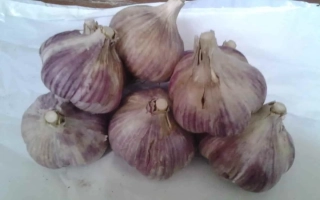
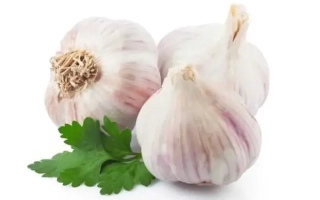
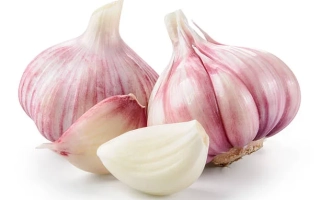
The Toguchinsky garlic variety is a medium-early winter-hardy variety with winter hardiness reaching 89-95%. Plants of this variety are of medium height, well-leafed, with dark green leaf color. Bulbs have an oval-flat or flat-round shape, are dense, weighing from 40 to 90 grams with a diameter of about 4 cm. The number of cloves in a bulb varies from 5 to 10, while the dry covering scales are purple in color, and the leathery scales of the cloves have a lilac tint. The clove flesh is white-cream, with a sharp taste, making this garlic an excellent choice for culinary use, including dish seasoning, preparation of spices, marinades, and pickles.
The Toguchinsky variety was bred as a result of long-term selection by the Siberian Institute of Plant Breeding and Selection, using a local population, which ensures its adaptation to the climatic conditions of the Novosibirsk region. For successful cultivation, autumn planting is recommended at the end of September with a scheme of 30 cm by 4-5 cm, as well as regular watering and soil loosening. The harvest is collected between July 15 and 25, after which the bulbs are stored at a temperature of 18-20 °C, which contributes to their high storage capacity and preservation during the winter period.
The main advantages of the variety include high disease resistance, frost hardiness, stable productivity, and resistance to degeneration. Additionally, the variety is distinguished by an attractive shape and color of bulbs, which increases its market value. Toguchinsky garlic is suitable for cultivation in Siberian climatic conditions and is a reliable choice for farmers and gardeners seeking to obtain a quality and tasty product.
The Toguchinsky variety was bred as a result of long-term selection by the Siberian Institute of Plant Breeding and Selection, using a local population, which ensures its adaptation to the climatic conditions of the Novosibirsk region. For successful cultivation, autumn planting is recommended at the end of September with a scheme of 30 cm by 4-5 cm, as well as regular watering and soil loosening. The harvest is collected between July 15 and 25, after which the bulbs are stored at a temperature of 18-20 °C, which contributes to their high storage capacity and preservation during the winter period.
The main advantages of the variety include high disease resistance, frost hardiness, stable productivity, and resistance to degeneration. Additionally, the variety is distinguished by an attractive shape and color of bulbs, which increases its market value. Toguchinsky garlic is suitable for cultivation in Siberian climatic conditions and is a reliable choice for farmers and gardeners seeking to obtain a quality and tasty product.
Crop & resistance
Crop
Specifications
No reviews yet. Be the first to share your experience.





See also
Often considered together with this variety








Recently viewed
Products you’ve viewed on this site
Reviews