


SKU #67775
·
72 views
Garlic Parus
Garlic
Type
Winter
Features
Bolting
Number of cloves in the head
6-8
Average head weight (g)
40-50
Your mark
0 votes
0% positive ratings
Store offers · 1 from 1 store
1 offer in 1 store — from 2.49 € per 1000 seeds.
Available at: Агро Патриот
Prices are collected automatically from store websites and converted at the current exchange rate. Check the price and availability on the store website before ordering.
Description
Garlic of the Parus variety is a winter-hardy, bolting variety with high winter hardiness and resistance to various diseases such as bacterial rot, stem nematode, and downy mildew. This variety was bred at the Voronezh Vegetable Experimental Station and adapted for cultivation in various regions, including the Volga-Vyatsky, Central Black Earth, and North Caucasus regions of Russia, as well as Ukraine. The average vegetation period is about 100-110 days, which allows for a stable and high-quality harvest.
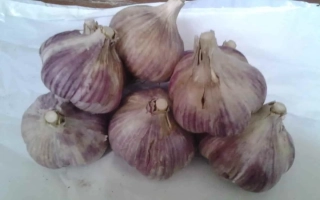
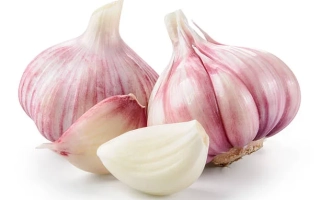
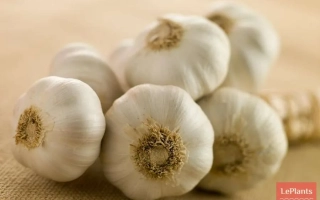
The bulbs of Parus garlic have an oval-flat shape and weigh from 30 to 47 grams. The number of cloves varies from 6 to 10, they have a simple structure and are colored brown with purple veins. The flesh is dense and differs in sharp, pungent taste, which is especially valued when pickling and pickling cucumbers. Due to its dense structure and good storage ability, this variety retains its qualities for a long time after harvest.
The yield of the Parus variety is from 0.7 to 1.0 kg per square meter, which is a good indicator for medium-late garlic. High resistance to diseases and unfavorable growing conditions make this variety a reliable choice for farmers and gardeners. Its distinctive qualities — high winter hardiness, stability, and excellent taste — make Parus garlic in demand both for fresh consumption and processing.
The bulbs of Parus garlic have an oval-flat shape and weigh from 30 to 47 grams. The number of cloves varies from 6 to 10, they have a simple structure and are colored brown with purple veins. The flesh is dense and differs in sharp, pungent taste, which is especially valued when pickling and pickling cucumbers. Due to its dense structure and good storage ability, this variety retains its qualities for a long time after harvest.
The yield of the Parus variety is from 0.7 to 1.0 kg per square meter, which is a good indicator for medium-late garlic. High resistance to diseases and unfavorable growing conditions make this variety a reliable choice for farmers and gardeners. Its distinctive qualities — high winter hardiness, stability, and excellent taste — make Parus garlic in demand both for fresh consumption and processing.
Crop & resistance
Crop
Disease resistance
Pest resistance
Specifications
| Type | |
|---|---|
| Features | |
| Number of cloves in the head | 6-8 |
| Average head weight (g) | 40-50 |
| Flavor | |
| Ripening Period | 100-110 |
| Suitable for storage | Yes |
| Purpose | |
| Registration year | 1988 |
| Catalog | Catalog → Garlic |
| Legal data |
Show · 3 |
| Country | Russia |
No reviews yet. Be the first to share your experience.






See also
Often considered together with this variety




Recently viewed
Products you’ve viewed on this site
Reviews