


SKU #74561
·
51 views
VALLEOR
Sainfoin
LIMITED LIABILITY COMPANYUser rating
0 votes0% positive reviews
No ratings yet — be the first.
Usage Type
On feed, Honeybee, Cover Crop
Drought Resistance
High
Crude Protein Content, %
15-19
Registration year
2023
Prices in stores
from1.67 €per 1 kg
pack from 1 671.07 € per 1 t
1 offer from 1 store
Store offers · 1 from 1 stores
Prices are updated on loadLoading offers…
Available at: Агроексперт-Трейд
Aggregator catalog: prices are collected automatically from store websites, normalized by AI and converted at the current exchange rate. Before ordering, confirm the price and availability on the store's website. This block is not indexed by search engines — the data is loaded after the page opens.
About product

A high-protein sainfoin variety with exceptional drought resistance and multifunctional benefits for soil and livestock.
Usage Type
On feed, Honeybee, Cover Crop
Drought Resistance
High
Crude Protein Content, %
15-19
Registration year
2023
Description
Swiss-bred sainfoin for sustainable forage
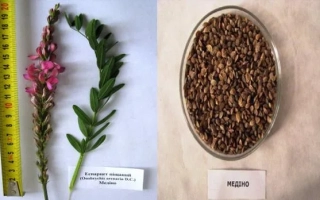
The 'Vallor' sainfoin variety, originating from Swiss selection programs, has earned a reputation as a cornerstone for sustainable fodder production. In an era of unpredictable climate shifts, this variety stands out due to its remarkable adaptation to water-scarce conditions. 'Vallor' is more than just a forage crop; it is a versatile agricultural asset that functions as a high-protein feed source, a premier honey plant, and an efficient green manure.
Core agronomic advantages
- Drought tolerance: An extensive root system allows the crop to maintain vigorous growth during periods of heat stress when other legumes fail.
- Nutritional excellence: With a crude protein content ranging from 15% to 19%, it ensures optimal livestock performance and digestive health.
- Soil health: As a green manure, it helps improve soil structure through deep loosening and natural nitrogen fixation.
Produced by 'Товариство З Обмеженою Відповідальністю', the seeds are managed under strict quality control standards to ensure high germination energy and purity. This commitment to quality is why 'Vallor' has become a preferred choice for growers focusing on resilient and high-yield crop rotation strategies.
Market positioning
In the professional market, 'Vallor' occupies a premium niche for farms focusing on both livestock production and soil stewardship. Its value as a honey-producing plant provides an additional revenue stream for apiarists working in collaboration with crop producers. Investing in 'Vallor' is a strategic decision for those looking to lower input costs while building long-term soil fertility and reducing dependency on commercial fertilizers.
Crop & resistance
Crop
Specifications
| Usage Type | |
|---|---|
| Drought Resistance | |
| Crude Protein Content, % | 15-19 |
| Registration year | 2023 |
| Catalog | Catalog → Sainfoin |
| Manufacturer | LIMITED LIABILITY COMPANY |
| Country | Switzerland |
Not yet комментариев. Be the first!


See also
Often considered together with this variety



Recently viewed
Products you’ve viewed on this site
Reviews · 0