


SKU #74585
·
76 views
Paulownia
Paulownia
Zakarpattia State AgriculturalUser rating
0 votes0% positive reviews
No ratings yet — be the first.
Decorative Plants
Pavlovnia
Height of mature tree
15-20
Bore diameter at 5 years (cm)
30-40
Apply
Wood, Decorative landscaping
Store offers · 1 from 1 stores
Prices are updated on loadLoading offers…
Available at: Душа саду
Aggregator catalog: prices are collected automatically from store websites, normalized by AI and converted at the current exchange rate. Before ordering, confirm the price and availability on the store's website. This block is not indexed by search engines — the data is loaded after the page opens.
About product

A high-growth Paulownia variety capable of reaching 40 cm in trunk diameter within five years.
Decorative Plants
Pavlovnia
Height of mature tree
15-20
Bore diameter at 5 years (cm)
30-40
Apply
Wood, Decorative landscaping
Description
Technical Potential of the Lilov Variety
The 'Lilov' Paulownia variety, developed by the Transcarpathian State Agricultural Research Station, is a specialized selection adapted to local climatic conditions. The primary value of this variety lies in its optimal balance between rapid linear growth and high-quality wood properties.
Biometric Metrics and Development
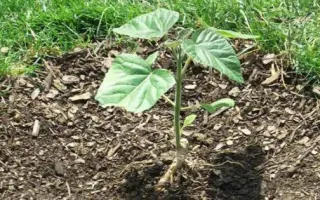
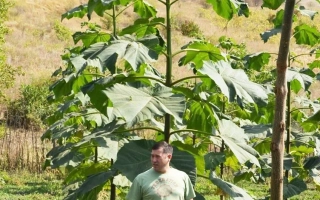
- Growth Rates: In its early development stages, the tree exhibits aggressive vegetation. By the age of 5, the trunk diameter reaches 30–40 cm, which is a critical parameter for early plantation profitability.
- Mature Dimensions: An adult tree reaches a height of 15–20 meters. These dimensions allow the variety to be used both for commercial timber production and in landscaping to create rapid-growth shelterbelts.
Practical Wood Application and Landscaping
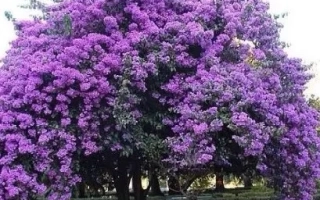
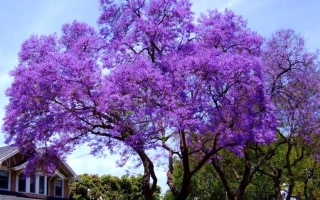
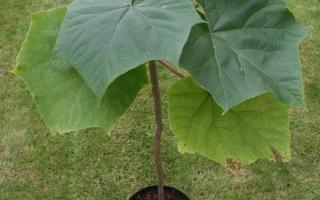
The wood of the 'Lilov' Paulownia is valued for its low specific weight and high structural stability. It is resistant to warping and cracking, making it a sought-after raw material in the furniture industry and the production of construction materials. From a decorative standpoint, the variety is characterized by broad leaf plates, which provide a high rate of photosynthesis, accelerating biomass accumulation and effectively purifying the air in planting zones.
Utilizing planting material from the Transcarpathian Research Station ensures genetic purity and predictable development, which is vital for long-term agricultural investment projects.
Specifications
| Decorative Plants | |
|---|---|
| Height of mature tree | 15-20 |
| Bore diameter at 5 years (cm) | 30-40 |
| Apply | |
| Registration year | 2020 |
| Catalog | Catalog → Paulownia |
| Manufacturer | Zakarpattia State Agricultural |
| Country | Ukraine |
Not yet комментариев. Be the first!




See also
Often considered together with this variety




Recently viewed
Products you’ve viewed on this site
Reviews · 0