


SKU #67409
·
51 views
VITAMINIC
Dill
User rating
0 votes0% positive reviews
No ratings yet — be the first.
Direction
Bunch products
Registration year
2011
About product

A high-performance variety designed for bunch production with predictable growth and stable yield.
Direction
Bunch products
Registration year
2011
Description
Growing the 'Vitaminny' Dill: A Practical Approach
For growers specializing in bunch produce, choosing the right seed variety is a matter of capital turnover. The 'Vitaminny' dill, developed by Elizaveta Kudryavtseva, is a reliable tool for consistent green production. It is not a high-maintenance variety, but it does require strict adherence to irrigation schedules and sowing density to maximize yield.
Operational Performance and Production
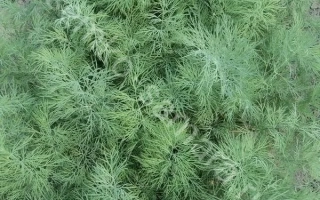
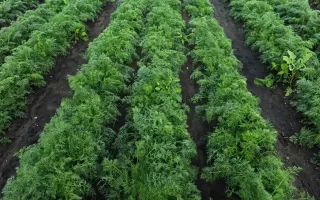
The core asset of this variety is its bushiness and the speed at which it accumulates leaf mass. In a commercial production environment, 'Vitaminny' offers several distinct advantages:
- Bunch Consistency: The variety forms an upright rosette, which is critical for both manual and mechanized harvesting. This results in less waste during cleaning and a higher yield of sellable product units.
- Growth Rate: Under proper moisture conditions, the growth cycle is highly predictable, allowing for planned, continuous supply chain cycles.
- Market Appeal: The leaves retain their deep color and aroma, meeting the high standards retailers expect for fresh bunch produce.
Crop Maintenance
As an operator, you must account for the early stages of development; 'Vitaminny' grows slowly during emergence, necessitating rigorous weed control. Adhering to an optimal sowing density minimizes the need for later thinning and labor costs. The variety shows strong resistance to lodging, which simplifies the harvesting process and keeps the amount of non-standard, low-quality produce to a minimum.
Utilizing 'Vitaminny' is a decision to prioritize economic predictability. By understanding the output potential per hectare, you can effectively manage logistics and market obligations without the uncertainty associated with less stable varieties.
Video · 4 videos
Suggest a video →Crop & resistance
Crop
Specifications hover over for a hint about the specification
|
Direction
Direction
Existing varieties and types of cabbage are grown for fresh consumption, long-term storage, and technical processing. |
|
|---|---|
| Registration year | 2011 |
| Catalog | Catalog → Dill |
| Legal data |
Show · 4
|
| Country | Russia |
Store offers
Prices are updated on loadLoading offers…
Aggregator catalog: prices are collected automatically from store websites, normalized by AI and converted at the current exchange rate. Before ordering, confirm the price and availability on the store's website. This block is not indexed by search engines — the data is loaded after the page opens.
Not yet комментариев. Be the first!
Alternatives
Dill seeds · similar varieties


See also
Often considered together with this variety





Recently viewed
Products you’ve viewed on this site
Reviews · 0