


SKU #71500
·
59 views
PETERBURGSKY
Daikon
User rating
0 votes0% positive reviews
No ratings yet — be the first.
Ripening Period
60-70
Skin Color
White with pinkish tint
Meat Color
White
Flavor
Slightly Sharp
About product

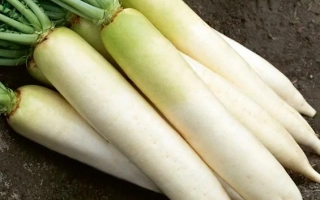
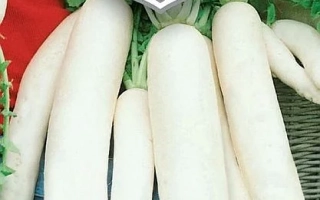
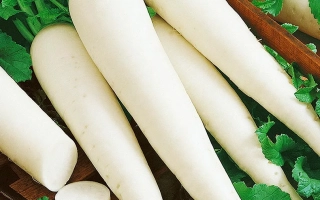
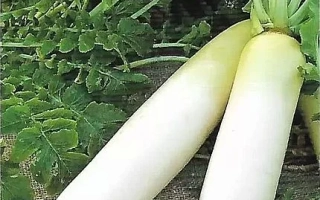
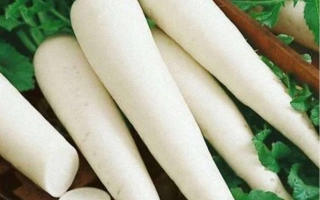
Daikon is a large root vegetable of the cruciferous family, known for its round shape and bright pink skin. Unlike ordinary radish, it does not contain mustard oils, so its taste is mild and slightly spicy, but without sharp bitterness. The flesh is dense and juicy, having a light-white tint with a pink layer, which makes the product especially attractive for preparing fresh salads and appetizers.…
Ripening Period
60-70
Skin Color
White with pinkish tint
Meat Color
White
Flavor
Slightly Sharp
Description
Daikon is a large root vegetable of the cruciferous family, known for its round shape and bright pink skin. Unlike ordinary radish, it does not contain mustard oils, so its taste is mild and slightly spicy, but without sharp bitterness. The flesh is dense and juicy, having a light-white tint with a pink layer, which makes the product especially attractive for preparing fresh salads and appetizers.
The «Petersburg» variety is characterized by high yield: when planted on a square meter, you can get up to 7–9 kg of fruits weighing from 500 to 1000 grams. Daikon ripens in 55–70 days after sowing, and the dense but thin skin allows storing it until spring without loss of quality. Thanks to resistance to fungal diseases and bolting, the plant is easy to grow in various climatic conditions.
In Japanese cuisine, daikon is widely used as an ingredient for soups, side dishes, pickled dishes, and salads. It can be served fresh, boiled, stewed, or pickled; meanwhile, the characteristic piquant taste is preserved. As an addition to sashimi, it is often sliced into thin pieces, and minced daikon is added to soy sauce to improve texture and aroma. Moreover, the product is rich in fiber, vitamin C, and minerals, which makes it a useful addition to the diet.
The «Petersburg» variety is characterized by high yield: when planted on a square meter, you can get up to 7–9 kg of fruits weighing from 500 to 1000 grams. Daikon ripens in 55–70 days after sowing, and the dense but thin skin allows storing it until spring without loss of quality. Thanks to resistance to fungal diseases and bolting, the plant is easy to grow in various climatic conditions.
In Japanese cuisine, daikon is widely used as an ingredient for soups, side dishes, pickled dishes, and salads. It can be served fresh, boiled, stewed, or pickled; meanwhile, the characteristic piquant taste is preserved. As an addition to sashimi, it is often sliced into thin pieces, and minced daikon is added to soy sauce to improve texture and aroma. Moreover, the product is rich in fiber, vitamin C, and minerals, which makes it a useful addition to the diet.
Crop & resistance
Disease resistance
Specifications hover over for a hint about the specification
|
Ripening Period
Ripening Period
It takes 70-100 days until pepper reaches flowering stage, 130-160 days until technical fruit ripeness, and 135-180 days until physiological ripeness. |
60-70 |
|---|---|
| Skin Color | |
| Meat Color | |
| Flavor | |
| Growing Zone | |
| Registration year | 2011 |
| Catalog | Catalog → Daikon |
| Legal data |
Show · 6
|
| Country | Russia |
Store offers
Prices are updated on loadLoading offers…
Aggregator catalog: prices are collected automatically from store websites, normalized by AI and converted at the current exchange rate. Before ordering, confirm the price and availability on the store's website. This block is not indexed by search engines — the data is loaded after the page opens.
Not yet комментариев. Be the first!





See also
Often considered together with this variety








Recently viewed
Products you’ve viewed on this site
Reviews · 0