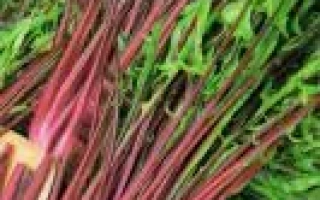
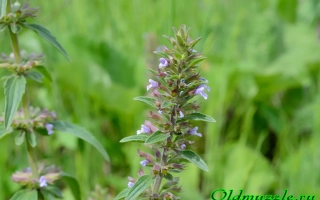
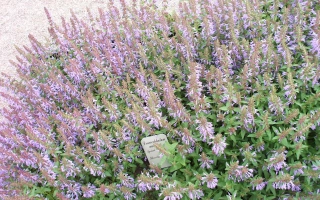
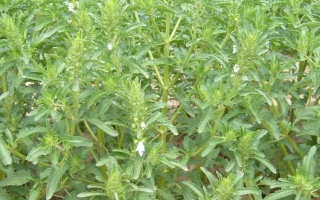
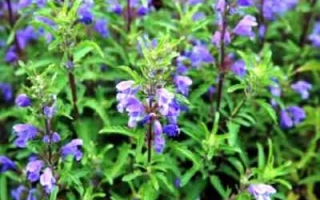
Chicory (Cichorium intybus L. var. sativum DC.) – is a diploid perennial with upright green smooth leaves and a large vertical rosette, valued both in cuisine and folk medicine. The plant reaches a height of 30 to 120 centimeters, has bright blue flowers (sometimes white or pink), and also a slightly earthy smell, making it attractive for gardening and landscape design.
Key characteristics of this variety are high root yield – 461.5 tons/ha – and dry matter content in the root of 29 %. Inulin, an important dietary fiber, makes up 24.3% of the root mass, allowing the collection of about 112.1 tons/ha. These indicators make the plant a valuable source of inulin for the food industry and product additives.
In culinary use, chicory roots are roasted, fried, and ground into powder, which is used as a caffeine-free coffee substitute with a bitter and nutty flavor. Leaves can be eaten in salads or prepared as greens. In folk medicine, chicory is used to support the digestive system, liver, kidneys, and reduce blood sugar levels due to the content of vitamins, minerals, and inulin.
The variety is characterized by resistance to cercosporosis and powdery mildew, ensuring stable growth on various soil types. Thanks to its endurance and multifunctionality, chicory remains in demand both in agriculture and in the food and pharmaceutical industries.