

SKU #73157
·
62 views
Sultan
Dragonhead
GavrishUser rating
0 votes0% positive reviews
No ratings yet — be the first.
Herbs
Zmeegolovnik
Plant Type
Annual
Scent
Lemon
Used Part
Leaves
Prices in stores
from1 391.33 €per 1 kg
pack from 0.42 € per 0.3 g
1 offer from 1 store
Store offers · 1 from 1 stores
Prices are updated on loadLoading offers…
Available at: Semenagavrish · Sibseed
Aggregator catalog: prices are collected automatically from store websites, normalized by AI and converted at the current exchange rate. Before ordering, confirm the price and availability on the store's website. This block is not indexed by search engines — the data is loaded after the page opens.
About product

Intense lemon fragrance and valuable essential properties for culinary use, herbal teas, and attracting bees.
Herbs
Zmeegolovnik
Plant Type
Annual
Scent
Lemon
Used Part
Leaves
Description
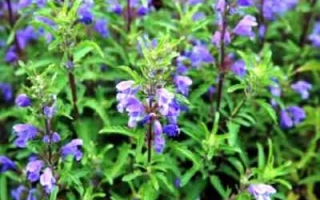
A spicy accent for your farm: why choose the 'Sultan' dragonhead
The 'Sultan' moldavian dragonhead from the 'Gavrish' breeding firm is a choice for those who value not only the aesthetic appeal of spicy herbs but also their intense essential oil properties. Unlike many other herbs, this annual plant possesses a rich lemon fragrance that persists even after drying, making it a valuable asset for both small-scale farming and domestic use.
Practical application scenarios in agribusiness
- Culinary processing: The leaves and inflorescences of 'Sultan' are actively used in vegetable preservation and pickling. The lemon note perfectly complements marinades, giving preparations an original taste.
- Tea and herbal blend production: Due to its high essential oil content, the plant is an excellent component for herbal teas, which are known for their mild soothing effect.
- Honey production: Agronomists often sow 'Sultan' near apiaries. It is one of the best honey plants, blooming for a long period and providing bees with abundant nectar without requiring complex maintenance.
- Landscape design and garden protection: The plant attracts pollinators while its strong aroma helps deter pests. Using it as a companion crop in vegetable beds helps reduce reliance on pesticides.
The crop is undemanding regarding soil types but achieves its best potential in sunny, open areas. Sowing seeds directly into the soil allows for a stable yield of green mass, ready for harvesting during the peak flowering period. For the highest concentration of beneficial compounds, it is recommended to harvest in the morning hours when essential oils are at their peak intensity.
By choosing 'Sultan' from 'Gavrish', you obtain high-quality planting material adapted to temperate climate conditions. It serves as a reliable tool for diversifying your plant-growing business or increasing the productivity of your home garden.
Crop & resistance
Crop
Specifications
| Herbs | |
|---|---|
| Plant Type | |
| Scent | |
| Used Part | |
| Registration year | 2011 |
| Catalog | Catalog → Dragonhead |
| Manufacturer | Gavrish |
| Legal data |
Show · 10
|
| Country | Russia |
Not yet комментариев. Be the first!
Alternatives
Dragonhead · similar varieties




See also
Often considered together with this variety





Recently viewed
Products you’ve viewed on this site
Reviews · 0