


SKU #62636
·
38 views
JOB
Carrot
BejoUser rating
0 votes0% positive reviews
No ratings yet — be the first.
Variety Type
Flacco
Direction
Recycling, Storage
Maturation Period
140 - 160 days
Root vegetable; weight
80 - 100 grams
Store offers · 1 from 1 stores
Prices are updated on loadLoading offers…
Available at: Agrokonsultant
Aggregator catalog: prices are collected automatically from store websites, normalized by AI and converted at the current exchange rate. Before ordering, confirm the price and availability on the store's website. This block is not indexed by search engines — the data is loaded after the page opens.
About product

Joba carrot is a late-maturing root crop with a spindle shape and a pointed tip, belonging to the Flakke sortotype. The roots are characterized by a red color both in the core and the skin, with a mass ranging from 98 to 170 grams. The leaves of the plant are upright, long, and medium-segmented, which promotes good plant development. The variety is recommended for commercial production, processing…
Variety Type
Flacco
Direction
Recycling, Storage
Maturation Period
140 - 160 days
Root vegetable; weight
80 - 100 grams
Description
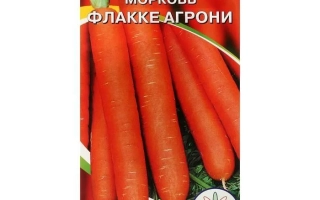
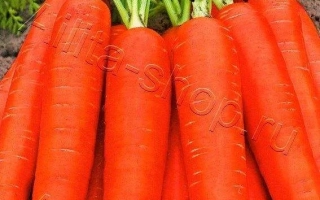
Joba carrot is a late-maturing root crop with a spindle shape and a pointed tip, belonging to the Flakke sortotype. The roots are characterized by a red color both in the core and the skin, with a mass ranging from 98 to 170 grams. The leaves of the plant are upright, long, and medium-segmented, which promotes good plant development. The variety is recommended for commercial production, processing, juice preparation, and winter storage, making it versatile in use.
Joba is characterized by high taste qualities, which are rated as good and excellent. The dry matter content in the roots ranges from 12.0% to 17.1%, total sugar from 5.2% to 6.7%, and carotene up to 21.6 mg per 100 grams of raw product. These indicators ensure not only a pleasant taste but also high nutritional value, which is especially important for healthy eating. The yield of the variety is at the level of the Losinoostrovskaya 13 standard and reaches from 120 to 363 centners per hectare, with a maximum indicator of 388 centners in the Krasnodar Krai. The output of marketable product ranges from 75% to 94%, indicating high cultivation efficiency.
The Joba variety is excellent for cultivation in the North Caucasus region and is recommended for use in various fields of the food industry. Thanks to its characteristics, it is suitable for long-term storage and processing, including juice production. The high carotene and sugar content makes the carrot beneficial and tasty, while stable yield and marketable output ensure economic benefits for producers.
Joba is characterized by high taste qualities, which are rated as good and excellent. The dry matter content in the roots ranges from 12.0% to 17.1%, total sugar from 5.2% to 6.7%, and carotene up to 21.6 mg per 100 grams of raw product. These indicators ensure not only a pleasant taste but also high nutritional value, which is especially important for healthy eating. The yield of the variety is at the level of the Losinoostrovskaya 13 standard and reaches from 120 to 363 centners per hectare, with a maximum indicator of 388 centners in the Krasnodar Krai. The output of marketable product ranges from 75% to 94%, indicating high cultivation efficiency.
The Joba variety is excellent for cultivation in the North Caucasus region and is recommended for use in various fields of the food industry. Thanks to its characteristics, it is suitable for long-term storage and processing, including juice production. The high carotene and sugar content makes the carrot beneficial and tasty, while stable yield and marketable output ensure economic benefits for producers.
Crop & resistance
Crop
Specifications hover over for a hint about the specification
|
Variety Type
Variety Type
Carrot varieties are grouped into ten variety types: Parisian Carrot. Round, high-carotene carrots. Characterized by a short growing season. Varieties of this type have round-oval roots no longer than 10 cm and up to 50 g in weight. Mostly used in greenhouses, for early harvest a... |
|
|---|---|
|
Direction
Direction
Existing varieties and types of cabbage are grown for fresh consumption, long-term storage, and technical processing. |
|
|
Maturation Period
Maturation Period
Vegetation period from emergence to technical maturity 30-50 days. |
140 - 160 days |
|
Root vegetable; weight
Root vegetable; weight
Carrot roots vary in weight from 60-150 g, sometimes 300-500 g. |
80 - 100 grams |
|
Root; shape
Root; shape
Roots can be round, elongated-round, cylindrical, conical. |
|
|
Root vegetable; color
Root vegetable; color
Carrot root can be orange, red-orange, pink, yellow, white, purple. The intensity of color depends on the content of pigments. |
|
| Registration year | 2005 |
| Catalog | Catalog → Carrot |
| Manufacturer | Bejo |
| Legal data |
Show · 1
|
| Country | Netherlands |
Not yet комментариев. Be the first!
Alternatives
Carrot seeds · similar varieties




See also
Often considered together with this variety

QUEEN OF AUTUMN
Научно-производственная Фирма Российские Семена
035 94 offers
0.12 €per 1000 seeds ≈ 6 ₴



Recently viewed
Products you’ve viewed on this site
Reviews · 0