
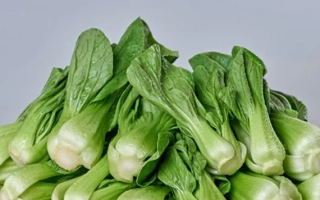


Prices in stores
from11.9 €per 1000 seeds
pack from 0.1 € per 0.5 g
8 offers from 7 stores
Plant Type
Leafy cabbage
Direction
Fresh Market
Registration year
2011
Your mark
0 votes
0% positive ratings
Store offers · 8 from 7 stores
8 offers in 7 stores — from 11.9 € per 1000 seeds.
Available at: 10sotok · Agro-shop · Agroretail · Дім Сад Город · Добродар · flora65-ru · Semena
Prices are collected automatically from store websites and converted at the current exchange rate. Check the price and availability on the store website before ordering.
About product
Delicate, serrated mustard greens known for their peppery kick and excellent regrowth potential.
Description
Japanese finesse in your garden
Mizuna from the Semko-Junior seed company is a specialized selection curated by the originator Yuri Borisovich Alekseev. It represents a successful effort to bring the distinct profile of Japanese mustard greens to local markets. Unlike traditional head-forming cabbages, this variety focuses on the production of elegant, serrated leaves that have become a staple for chefs specializing in fresh gourmet salads and health-conscious culinary trends.
Key Attributes and Performance
- Plant Type: Leafy cabbage (Brassica rapa subsp. nipposinica).
- Brand: Semko-Junior (Russia).
- Market Segment: Fresh produce, specialty greens, and baby-leaf market.
The Semko-Junior brand is recognized for its consistency in varietal purity. Mizuna, in particular, is highly valued for its regenerative capacity. Growers can harvest the outer leaves throughout the season while leaving the growth point intact, ensuring a continuous supply of fresh greens. This productivity makes it a strategic choice for commercial farmers looking to optimize their land for high-turnover leafy crops.
Culinary Profile and Appeal
The flavor profile of this Mizuna variety is mild with a subtle, peppery mustard finish, making it a perfect base for salad mixes. Its texture is delicate, and it requires no cooking, serving as an ideal pairing for mild cheeses, toasted nuts, and vinaigrette-based dressings. Beyond the kitchen, its highly decorative, feathery foliage is often used by growers to add aesthetic value to garden beds, maintaining its visual appeal until late in the season.
Whether for commercial distribution or personal use, this variety provides a reliable balance of fast maturity, distinctive visual character, and an essential flavor profile for modern healthy diets.
Video · 9 videos
Suggest a video →Crop & resistance
Crop
Specifications
| Plant Type | |
|---|---|
| Direction | |
| Registration year | 2011 |
| Catalog | Catalog → Cabbage |
| Manufacturer | Semko-Yunior |
| Legal data |
Show · 1
|
| Country | Russia |
No reviews yet. Be the first to share your experience.
Alternatives
Cabbage seeds · similar varieties





See also
Often considered together with this variety





Recently viewed
Products you’ve viewed on this site
Reviews