
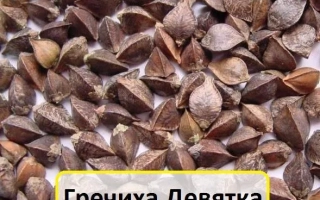

Prices in stores
from2.47 €per 1 kg
pack from 3.99 € per pack
8 offers from 2 stores
Growing Season
70-80 days
Registration year
2004
Your mark
0 votes
0% positive ratings
Store offers · 8 from 2 stores
8 offers in 2 stores — from 2.47 € per 1 kg.
Available at: nebelung-de · Интернет магазин садовых растений Все Сорта
Prices are collected automatically from store websites and converted at the current exchange rate. Check the price and availability on the store website before ordering.
Description
The buckwheat variety Rubra is a medium-maturing variety with a vegetation period of 75 to 90 days. This variety was developed at the Scientific Research Institute of Cereal Crops of Podilsky State Agrarian-Technical Academy using selective breeding methods, taking into account the presence of anthocyanins in the straw. A distinctive feature of this variety is its high anthocyanin content — a natural food coloring agent, making it valuable for producing natural food colorants.
Rubra is characterized by high disease resistance and the ability to withstand late frosts, which expands its cultivation possibilities across various climatic conditions and soil types. The variety is recommended for cultivation using a zero-waste technology, which enables efficient use of all plant parts and provides an additional product in the form of a food coloring extracted from straw.
In 2001, at the Krizhopolskaya Variety Testing Station in Vinnytsia Oblast, the yield of the Rubra variety in the forest-steppe region amounted to 30 centners per hectare. To achieve maximum yield, it is important to observe proper sowing times and ensure adequate crop care. Thanks to its agronomic characteristics and technological advantages, buckwheat Rubra is a promising variety for agricultural production.
Rubra is characterized by high disease resistance and the ability to withstand late frosts, which expands its cultivation possibilities across various climatic conditions and soil types. The variety is recommended for cultivation using a zero-waste technology, which enables efficient use of all plant parts and provides an additional product in the form of a food coloring extracted from straw.
In 2001, at the Krizhopolskaya Variety Testing Station in Vinnytsia Oblast, the yield of the Rubra variety in the forest-steppe region amounted to 30 centners per hectare. To achieve maximum yield, it is important to observe proper sowing times and ensure adequate crop care. Thanks to its agronomic characteristics and technological advantages, buckwheat Rubra is a promising variety for agricultural production.
Specifications
| Growing Season | 70-80 days |
|---|---|
| Registration year | 2004 |
| Catalog | Catalog → Buckwheat |
| Manufacturer | Podilskyi DATU |
| Country | Ukraine |
No reviews yet. Be the first to share your experience.
Alternatives
Buckwheat seeds · similar varieties




See also
Often considered together with this variety




Recently viewed
Products you’ve viewed on this site
Reviews