


SKU #38167
·
57 views
Barley Luka
Barley
Prices in stores
No offers yet — stores have not added prices for this product yet.
Similar varieties with prices
-
Avers
from 0 €per 1 kg
-
 Svyatovit
from 289.53 €
Svyatovit
from 289.53 €
-
 Imidzh
from 237.26 €
Imidzh
from 237.26 €
-
 BASICSaatbau
from 7.52 €per 1 kg
BASICSaatbau
from 7.52 €per 1 kg
Ear: Number of Rows
Two-row
Plant Height
50-60cm, 60-70cm
Vegetation Period (Maturity)
80-90 days
Registration year
2013
Your mark
0 votes
0% positive ratings
Description
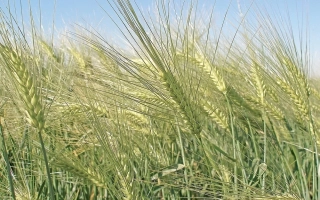
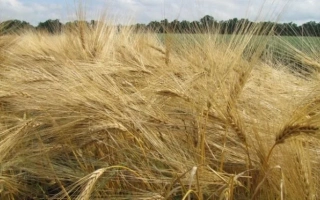
Luka variety 'Luca' is a medium-maturing cereal crop with a vegetation period of 77-80 days and plant height up to 74 cm. The ear is two-rowed, about 10 cm long, straw-yellow in color, and robust. The grain is light-yellow, elliptical in shape. The variety is characterized by high yield — up to 57.2 centners per hectare, as well as strong bushiness and resistance to various stresses and diseases, including drought, lodging, powdery mildew, helminthosporiosis, and rust diseases, making it a reliable choice for intensive farming in Steppe and Forest-Steppe regions.
Luka 'Luca' is widely used in the food industry and agriculture. Its grain is used for producing pearl and barley grits, which are popular and beneficial for human health due to their high content of vitamins, micro- and macroelements, such as B-group vitamins, PP, E, as well as minerals — phosphorus, potassium, calcium, iron, iodine, and others. In addition, wheat is an important raw material for brewing and feed production, providing animals with complete protein and amino acids.
For successful cultivation of the 'Luca' variety, it is recommended to follow agronomic measures, including mandatory seed treatment for disease protection and fertilization. Luka requires comprehensive care and is suitable for intensive cultivation technologies. In animal feeding, wheat grain promotes improved lactation and growth of young stock, as well as recovery of the organism in postpartum females, making it a valuable component of the ration. However, for complete animal nutrition, wheat should be combined with other feeds and sufficient drinking water should be provided.
Luka 'Luca' is widely used in the food industry and agriculture. Its grain is used for producing pearl and barley grits, which are popular and beneficial for human health due to their high content of vitamins, micro- and macroelements, such as B-group vitamins, PP, E, as well as minerals — phosphorus, potassium, calcium, iron, iodine, and others. In addition, wheat is an important raw material for brewing and feed production, providing animals with complete protein and amino acids.
For successful cultivation of the 'Luca' variety, it is recommended to follow agronomic measures, including mandatory seed treatment for disease protection and fertilization. Luka requires comprehensive care and is suitable for intensive cultivation technologies. In animal feeding, wheat grain promotes improved lactation and growth of young stock, as well as recovery of the organism in postpartum females, making it a valuable component of the ration. However, for complete animal nutrition, wheat should be combined with other feeds and sufficient drinking water should be provided.
Crop & resistance
Crop
Disease resistance
Specifications
| Ear: Number of Rows | |
|---|---|
| Plant Height | 50-60cm, 60-70cm |
| Vegetation Period (Maturity) | 80-90 days |
| Registration year | 2013 |
| Catalog | Catalog → Barley |
| Legal data |
Show · 1
|
| Country | Ukraine |
No reviews yet. Be the first to share your experience.
Alternatives
Barley seeds · similar varieties




See also
Often considered together with this variety




Recently viewed
Products you’ve viewed on this site
Reviews